Photo: Gage Skidmore / Wikimedia Commons / CC BY-SA 3.0
Jeff Goldblum has spent decades proving that a Hollywood star does not have to fit a conventional mold. With his distinctive voice, unusual rhythms, quick wit, and unmistakable screen presence, he turned individuality into the foundation of a remarkably durable career.
Born in Pittsburgh, Pennsylvania, in 1952, Goldblum became interested in acting while still young. As a teenager, he moved to New York City to study acting and soon began working on stage. Small film roles followed, giving him the chance to develop a style that was noticeably different from that of the typical leading man.
His career gradually gained momentum through the 1970s and early 1980s, but one of his most important turning points came with The Fly in 1986.
Directed by David Cronenberg, the film gave Goldblum a demanding role as scientist Seth Brundle, whose experiment goes disastrously wrong. The performance combined intelligence, humor, romance, fear, and physical transformation. It demonstrated that Goldblum’s eccentric screen personality could carry a serious and emotionally difficult film.
Then came another transformation.
In 1993, Goldblum appeared as Dr. Ian Malcolm in Jurassic Park. The film became a global phenomenon, and Malcolm became one of Goldblum’s defining characters. His combination of skepticism, intelligence, humor, and unpredictability made the character memorable even in a movie filled with groundbreaking visual effects and dinosaurs.
Goldblum returned to the role in The Lost World: Jurassic Park and, many years later, in newer installments of the franchise. The character introduced him to multiple generations of moviegoers and became closely connected with his public image.
But Goldblum’s career has never depended on a single franchise.
He appeared in films ranging from Independence Day to The Grand Budapest Hotel and Thor: Ragnarok, moving between blockbusters, comedies, dramas, and highly stylized supporting roles. Instead of smoothing away his unusual qualities, he increasingly made them part of his appeal.
His interests also extend beyond acting. Goldblum is an accomplished jazz pianist and has performed with his own jazz group for years. His music career has given audiences another glimpse of the curiosity and playfulness that have long characterized his acting.
That may be one reason his popularity has endured.
As Goldblum grew older, the qualities that once made him seem unconventional became strengths. His pauses, gestures, fashion choices, humor, and spontaneous way of speaking helped transform him from a familiar character actor into a cultural personality recognizable even outside his films.
Why does Jeff Goldblum still matter?
Because his career offers a different model of longevity. Rather than repeatedly reinventing himself to follow Hollywood trends, Goldblum built a career by becoming more unmistakably himself.
In an industry that often rewards predictability, he demonstrated the value of eccentricity. Roles that might have seemed strange in another actor’s hands became memorable because Goldblum approached them with curiosity and personality.
More than five decades after beginning his career, he continues to work across film, television, and music while remaining connected to some of the biggest movies of his past.
Jeff Goldblum’s story is ultimately about the power of individuality. He did not become memorable by fitting perfectly into Hollywood. He became memorable because he never quite did.
Photo: Gage Skidmore / Wikimedia Commons / CC BY-SA 3.0
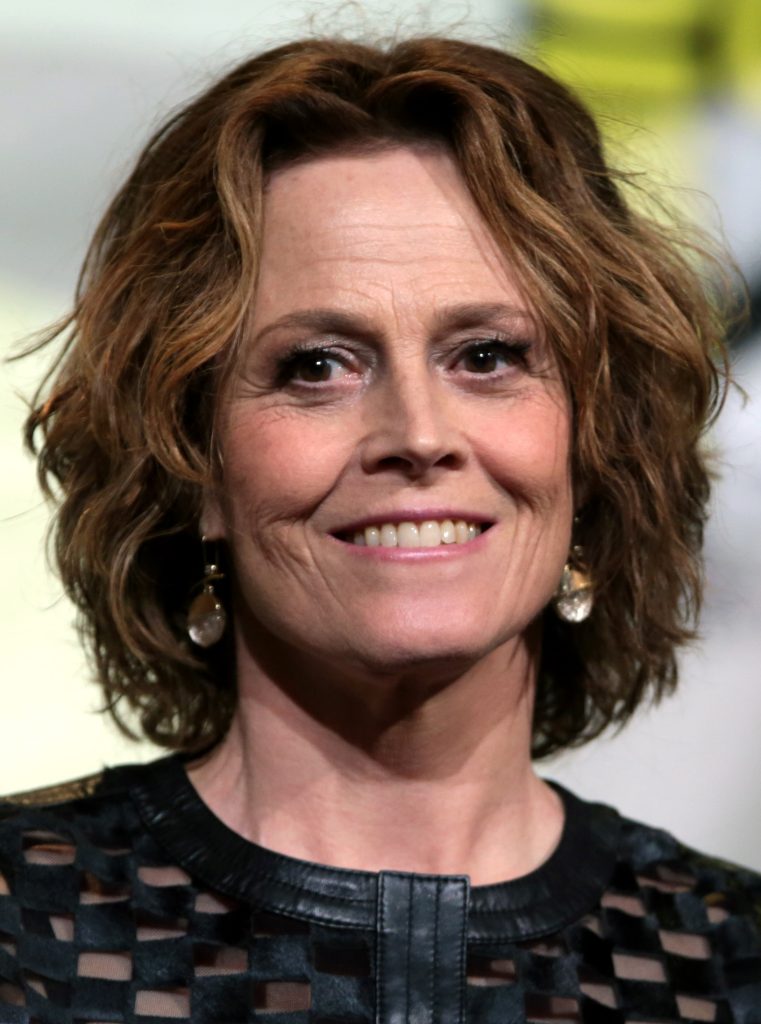
Sigourney Weaver built one of Hollywood’s most distinctive careers by doing something that once seemed unusual: becoming an action hero without giving up complexity, intelligence, or vulnerability.
Born in New York City in 1949, Weaver grew up around the entertainment world. Her father, Sylvester “Pat” Weaver, was a television executive, and her mother, Elizabeth Inglis, was an actress. But Weaver’s own path to success was not immediate. She studied at Stanford University and later trained at the Yale School of Drama, preparing for a career that initially seemed more likely to center on the stage.
Everything changed with Alien in 1979.
Weaver played Ellen Ripley, a crew member aboard a spacecraft confronted by a terrifying extraterrestrial creature. Ripley was not presented as a conventional Hollywood heroine. She was practical, intelligent, determined, and capable of taking command when others failed.
The role became Weaver’s great turning point.
Alien was a major success, but its long-term importance went far beyond the box office. Ripley helped change expectations about who could lead an action film. At a time when major action roles were overwhelmingly associated with men, Weaver created a female character whose strength came from competence and survival rather than stereotype.
The transformation became even more powerful with Aliens in 1986. Weaver’s performance earned her an Academy Award nomination for Best Actress, an unusual achievement for a science-fiction action performance at the time. Ripley had become one of cinema’s defining heroes.
But Weaver refused to let one character define her career.
She moved between comedy, drama, science fiction, and independent films. Ghostbusters showed her comic instincts, while Gorillas in the Mist and Working Girl demonstrated her dramatic range. In 1988, she received two Academy Award nominations in the same year for those two performances.
Over the decades, Weaver continued to move between large-scale movies and smaller character-driven projects. She returned to science fiction for James Cameron’s Avatar films, introducing her to another generation of moviegoers while maintaining a career that had already lasted for decades.
Her longevity is especially striking because Hollywood careers can be unforgiving, particularly for women as they grow older. Weaver instead continued finding roles that allowed her to evolve rather than simply repeat the characters that had made her famous.
Why does Sigourney Weaver matter now?
Because the kind of female action hero that audiences routinely see today was far less common when Weaver first played Ripley. Her performances demonstrated that a woman could carry a major action franchise without being written as a variation of a male hero.
Ripley could be frightened and still courageous. She could be compassionate and still formidable. Most importantly, her authority came from her judgment, resilience, and ability to act when circumstances became dangerous.
That combination helped expand the possibilities for women in mainstream cinema.
More than four decades after Alien, Weaver remains closely associated with one of film history’s most influential characters, yet her career is much larger than Ripley alone. She has survived changing tastes, changing generations, and changing ideas about what a leading woman in Hollywood is supposed to be.
Sigourney Weaver’s story is ultimately one of longevity through versatility. She did not simply succeed within Hollywood’s rules. At a crucial moment in film history, she helped rewrite them.
Photo: Gabriel Hutchinson / WikiPortraits / Wikimedia Commons, CC BY-SA 4.0
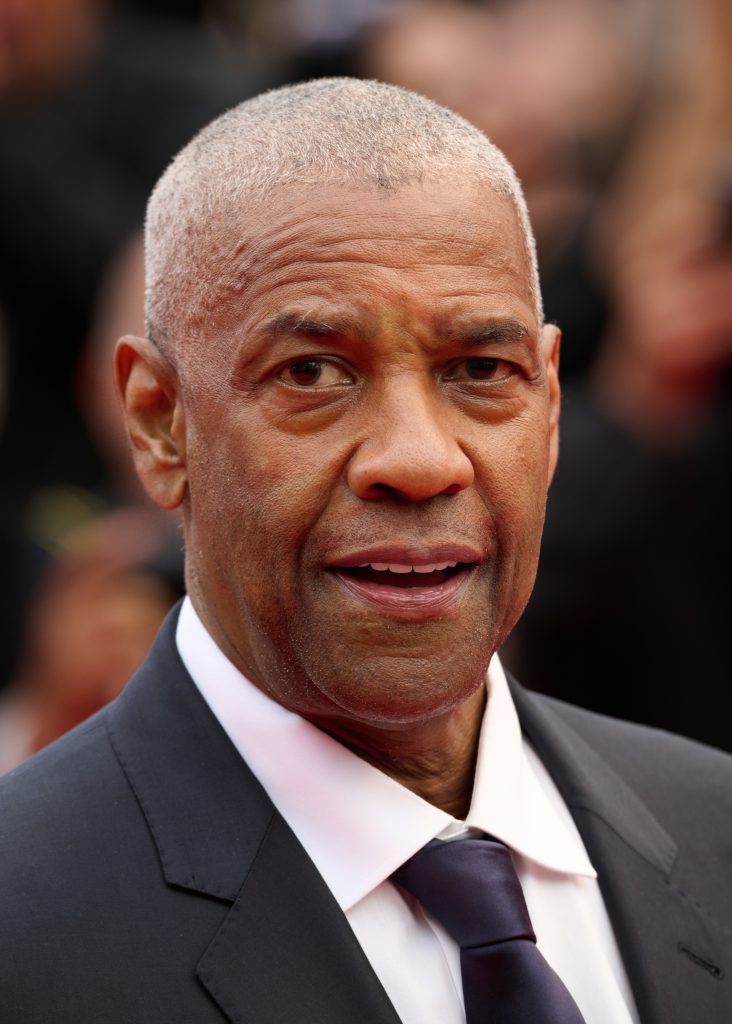
Denzel Washington’s career has lasted for more than four decades, but longevity alone does not explain his place in American film.
What distinguishes Washington is the way he built that longevity: through discipline, carefully chosen roles, and a willingness to move between leading-man stardom, demanding character work, theater, and directing.
His story is not simply about becoming famous. It is about what happens after success arrives — and the choices required to keep growing.
From Mount Vernon to the Stage
Denzel Hayes Washington Jr. was born on December 28, 1954, in Mount Vernon, New York.
His childhood was not always easy. After his parents divorced, Washington’s mother sent him to a private preparatory school, a decision he has described as an important turning point in his life.
He later attended Fordham University, where acting began to emerge as a serious direction for him.
Washington trained at the American Conservatory Theater in San Francisco before returning to New York to pursue professional acting.
Television provided his first major national breakthrough. Beginning in the early 1980s, he played Dr. Phillip Chandler on the medical drama St. Elsewhere.
But film would eventually make him one of the defining actors of his generation.
The Roles That Changed Everything
Washington’s rise was built through roles that demanded more than charisma.
His performance in Cry Freedom earned him an Academy Award nomination, while Glory brought him the Academy Award for Best Supporting Actor.
Then came Malcolm X.
Directed by Spike Lee, the 1992 film required Washington to portray Malcolm X across dramatically different stages of his life — from his troubled youth to his transformation into one of the most influential figures of the civil rights era.
The performance became one of Washington’s defining achievements and demonstrated the combination that would characterize much of his career: star presence joined with serious dramatic ambition.
He continued moving between genres rather than allowing one kind of role to define him.
Philadelphia, The Pelican Brief, Crimson Tide, Remember the Titans and other films showed his ability to carry major Hollywood productions while maintaining the intensity of a character actor.
Training Day and a Major Reinvention
Another important turning point arrived with Training Day in 2001.
Washington played Alonzo Harris, a corrupt Los Angeles narcotics detective — a darker and more morally disturbing character than audiences were accustomed to seeing him play.
The performance earned Washington the Academy Award for Best Actor.
It also illustrated something essential about his longevity.
Washington was willing to disrupt the image audiences already had of him.
Instead of protecting a familiar heroic persona, he took the risk of playing a man whose charisma concealed corruption and danger.
That willingness to change helped prevent his career from becoming predictable.
Beyond the Movie Star
Washington gradually expanded his work beyond acting.
He directed Antwone Fisher, The Great Debaters, and A Journal for Jordan, demonstrating an increasing interest in shaping stories from behind the camera.
Theater has remained another important part of his career.
His work on Broadway, particularly in August Wilson’s Fences, became a major chapter in his later career. Washington won a Tony Award for his stage performance in Fences and later directed and starred in the film adaptation.
The movie earned multiple Academy Award nominations, with Viola Davis winning Best Supporting Actress.
Washington has continued returning to the stage even after achieving the kind of Hollywood success that would allow him never to do so again.
That choice says something about the way he approaches his profession.
For Washington, acting has remained a craft to practice rather than simply a status to maintain.
The Discipline Behind the Career
Washington has often spoken publicly about preparation, faith, work, and discipline.
Those ideas are visible in the shape of his career.
He has moved between commercial films and demanding dramatic projects, between cinema and theater, and between acting and directing.
Not every project has been designed to reinvent him. But across decades, he has avoided becoming trapped by a single successful period of his career.
That may be one reason audiences who first encountered Washington in the 1980s can recognize the same actor admired by generations who discovered him decades later.
Why Denzel Washington Matters Now
Washington is now in his seventies, an age when many leading actors have already stepped away from their most demanding work.
He has done the opposite.
Recent years have continued to bring major film and stage roles, showing that his career is entering another chapter rather than simply looking backward at earlier achievements.
That makes Washington especially relevant to the idea at the heart of NotedLives: a remarkable life is rarely defined by one breakthrough.
His career contains many of them.
St. Elsewhere opened one door. Glory opened another. Malcolm X expanded what audiences expected from him. Training Day overturned those expectations again. Theater and directing created still more chapters.
More than forty years after his breakthrough, Denzel Washington’s story demonstrates that lasting success is not simply the ability to remain visible.
It is the ability to keep choosing work that gives you somewhere new to go.
Photo: Colleen Sturtevant / Wikimedia Commons, CC BY-SA 4.0
Kate Winslet has spent most of her life in front of a camera. But the most interesting part of her story may be what happened after she became one of the most recognizable actresses in the world.
Born on October 5, 1975, in Reading, England, Winslet grew up in a family of actors and began performing at a young age. Her international breakthrough came with James Cameron’s Titanic in 1997. As Rose DeWitt Bukater, she became part of one of the most famous films in cinema history.
For many actors, a success that enormous can define everything that follows. Winslet chose a different path.
Choosing the Work Over the Fame
After Titanic, Winslet could have spent years chasing bigger blockbusters. Instead, she repeatedly chose complicated characters and smaller, riskier projects.
Films such as Eternal Sunshine of the Spotless Mind, Little Children, Revolutionary Road, and The Readerdemonstrated her willingness to play women who were flawed, difficult, vulnerable, and sometimes uncomfortable to watch.
That decision became one of the defining turning points of her career.
Rather than trying to remain the young star audiences remembered from Titanic, Winslet allowed her career — and the women she portrayed — to grow older with her.
Her performance in The Reader ultimately brought her the Academy Award for Best Actress.
A Second Act on Television
Decades into her career, Winslet found another defining role in HBO’s Mare of Easttown.
Playing Mare Sheehan, a weary detective in a small Pennsylvania community, Winslet deliberately avoided movie-star glamour. The performance depended instead on exhaustion, grief, humor, anger, and the ordinary details of a woman carrying too much responsibility.
The role introduced Winslet to another generation of viewers and reinforced something her career had been demonstrating for years: longevity does not necessarily come from protecting an image. Sometimes it comes from being willing to abandon one.
From Actor to Director
Winslet eventually made another major transition — moving behind the camera.
She made her feature directing debut with Goodbye June, a family drama in which she also starred and served as a producer. The film centers on adult siblings coming together as their mother’s health deteriorates.
For Winslet, directing represented more than simply adding another title to her résumé. After decades of working with filmmakers, crews, and actors, she was taking responsibility for shaping the entire story.
She also used the production to give several emerging filmmakers their first opportunities as department heads — an indication that her later career is increasingly about creating opportunities as well as taking them.
Why Kate Winslet Matters Now
On October 5, 2026, Kate Winslet turns 51.
That birthday offers an interesting moment to look at her career because her story is no longer simply about the young actress who became globally famous in Titanic.
It is about what she did with that fame afterward.
Winslet repeatedly chose reinvention over repetition. She moved from blockbuster celebrity to character-driven films, from film to prestige television, and eventually from performing someone else’s vision to directing her own.
More than three decades into her career, she remains relevant not because she stayed the same, but because she kept giving herself permission to change.
That may be the most enduring lesson in Kate Winslet’s story: a defining success does not have to become a destination. It can simply become the place from which the next chapter begins.
Photo: Jan Beránek / Wikimedia Commons, CC BY-SA 4.0
Dakota Johnson was born into Hollywood, but much of her adult career has been about proving that inheritance does not have to determine identity.
Born on October 4, 1989, in Austin, Texas, Johnson is the daughter of actors Don Johnson and Melanie Griffith and the granddaughter of actress Tippi Hedren. Famous names surrounded her from childhood.
That background opened doors, but it also created an obvious challenge: how could she build a career that felt like her own?
An Early Life Inside Hollywood
Johnson made her film debut as a child in Crazy in Alabama, appearing alongside her mother. But she did not immediately pursue acting full time.
After finishing school, she began auditioning and gradually took smaller roles, including a memorable appearance in David Fincher’s The Social Network.
Then came the role that changed everything.
The Fifty Shades Turning Point
In 2015, Johnson became internationally famous as Anastasia Steele in Fifty Shades of Grey.
The film and its sequels turned her into a global star almost overnight. But sudden fame can become a trap. When an actor becomes closely associated with one blockbuster character, the challenge is figuring out what comes next.
Johnson’s answer was to keep changing direction.
She appeared in projects including A Bigger Splash, Suspiria, The Peanut Butter Falcon and The Lost Daughter, choosing roles that were often smaller, stranger and more character-driven than the franchise that had made her famous.
Some projects succeeded. Others did not.
But Johnson increasingly seemed interested in something more important than maintaining a perfectly polished résumé: finding her own creative identity.
From Movie Star to Creative Partner
That evolution became clearer when Johnson moved into producing.
Through TeaTime Pictures, the company she co-founded with Ro Donnelly, Johnson began taking a more active role in developing projects rather than simply waiting for acting offers.
She helped produce films including Cha Cha Real Smooth and Daddio, while continuing to act.
The shift matters because it changes her position in Hollywood.
Instead of being only the person hired to perform someone else’s vision, Johnson has increasingly become involved in deciding which stories get developed and how they are made.
Learning From the Missteps
Johnson’s career has not followed a smooth upward line.
Madame Web became one of the most heavily criticized films of 2024. Yet rather than allowing one poorly received blockbuster to define her, Johnson continued moving between independent films, mainstream projects and producing.
That willingness to survive a disappointment may ultimately be as important to a long career as any individual hit.
Hollywood careers rarely move in straight lines. Johnson’s certainly has not.
Why Dakota Johnson Matters Now
October 4, 2026 gives Johnson two reasons to be back in the spotlight.
She turns 37 today, just hours after returning to Saturday Night Live for her third appearance as host. During the show, she joked about her career and personal life, while longtime friend Taylor Swift made a surprise appearance during her opening monologue.
The timing feels appropriate.
Johnson is no longer simply the young actress introduced to millions through Fifty Shades of Grey. She is now an established performer and producer entering a different stage of her career, with new projects and greater creative control.
Her story is becoming less about the famous family she came from — and more about what she chooses to build herself.
That may be the most interesting turning point of all.
At 37, Dakota Johnson is still evolving, still taking risks and still learning how to turn Hollywood inheritance into a career on her own terms.
Photo: Pedro J Pacheco / Wikimedia Commons, CC BY-SA 4.0
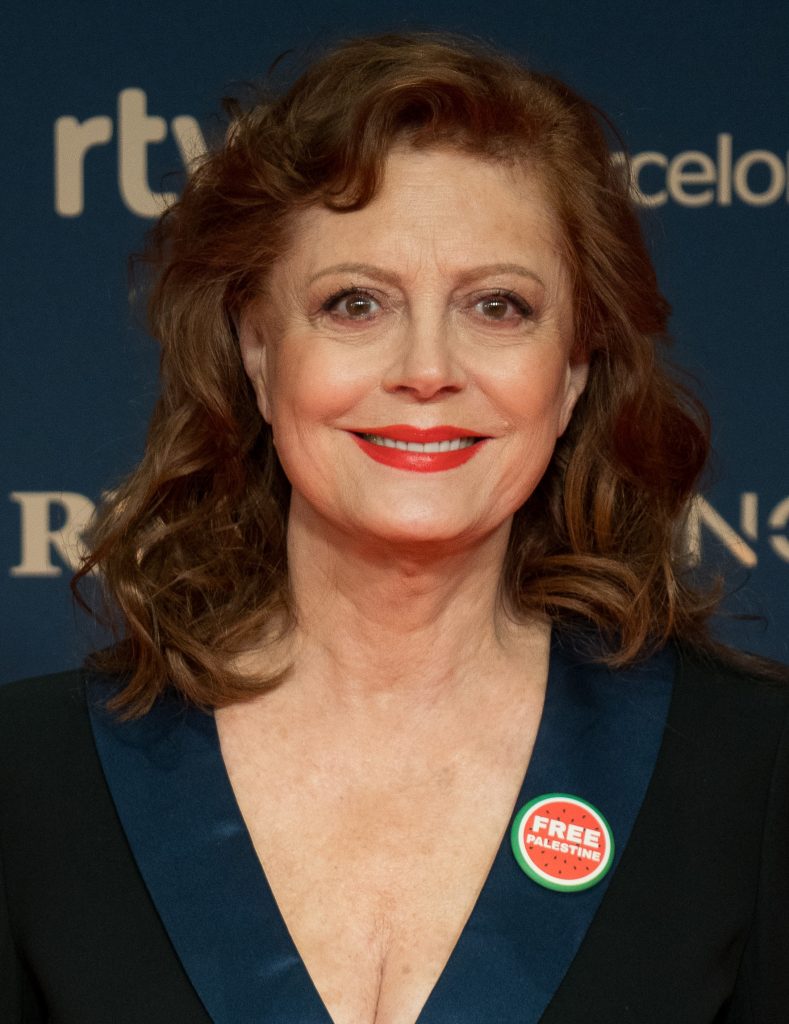
For more than five decades, Susan Sarandon has built a career by doing something Hollywood rarely rewards for long: refusing to fit neatly into anyone else’s expectations.
Born on October 4, 1946, in New York City, Sarandon did not begin with a carefully mapped-out plan for stardom. Her early career developed almost by accident, but what followed became one of the most distinctive acting journeys of her generation.
Her film debut came in Joe in 1970. Five years later, she appeared as Janet Weiss in The Rocky Horror Picture Show, a film that grew from an unusual musical comedy into one of cinema’s enduring cult classics.
But Sarandon was never going to be defined by one kind of role.
A Career That Kept Changing
By the 1980s, Sarandon was proving that she could move easily between unconventional films, comedy, romance and serious drama.
Atlantic City brought her first Academy Award nomination. Bull Durham showed a different side of her screen presence: confident, funny and independent.
Then came one of the defining moments of her career.
In 1991, Sarandon starred as Louise Sawyer opposite Geena Davis in Thelma & Louise. The film became far more than a successful road movie. Its story of two women trying to reclaim control over their lives became a cultural landmark, and Sarandon received another Academy Award nomination.
The role captured something that would appear repeatedly throughout her career: women who were complicated, strong and unwilling to behave exactly as others expected them to.
The Long Road to an Oscar
Sarandon followed Thelma & Louise with acclaimed performances in Lorenzo’s Oil and The Client.
Then, in Dead Man Walking, she portrayed Sister Helen Prejean, a nun who becomes the spiritual adviser to a prisoner on death row.
The performance required restraint rather than glamour or spectacle. Sarandon brought empathy to a story filled with moral questions about guilt, punishment, forgiveness and human dignity.
After several previous nominations, the role finally earned her the Academy Award for Best Actress.
For many performers, winning an Oscar might represent the culmination of a career.
For Sarandon, it became another chapter.
Refusing to Disappear
Hollywood has historically offered fewer substantial roles to women as they grow older. Sarandon continued working anyway.
She appeared in films including Stepmom, Enchanted, The Lovely Bones and The Meddler, while also taking television roles. In the series Feud, she portrayed another Hollywood legend, Bette Davis.
Her willingness to keep changing has been one of the constants of her career.
Sarandon has also remained outspoken away from the screen. Her political activism and public positions have sometimes generated controversy and professional consequences, but she has rarely separated her public life from the independence that characterized many of her best-known roles.
Why Susan Sarandon Matters Now
On October 4, 2026, Susan Sarandon turns 80.
The milestone makes her career worth reconsidering not simply because of its length, but because of how she has chosen to navigate it.
Even as she enters her ninth decade, Sarandon continues to work and has spoken recently about aging with curiosity rather than trying to freeze herself in time.
That idea seems particularly appropriate for her career.
From the young Janet Weiss in The Rocky Horror Picture Show to Louise Sawyer racing across the American Southwest, from Sister Helen Prejean confronting the morality of death row to an actor continuing to work at 80, Sarandon has repeatedly moved forward rather than trying to preserve an earlier version of herself.
Her legacy is not simply an Oscar, a famous road movie or more than five decades on screen.
It is a career built around the freedom to change — and the determination to remain unmistakably herself.
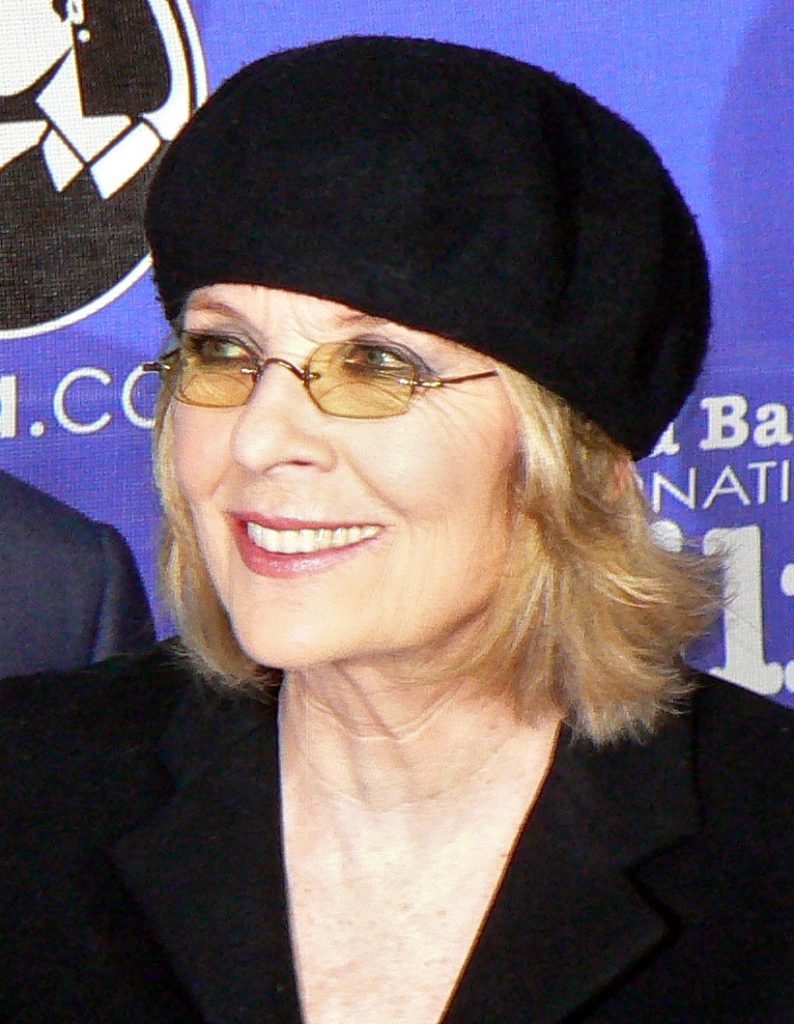
Diane Keaton has spent more than five decades proving that lasting success in Hollywood does not require following a conventional path. With her distinctive voice, understated humor, fearless fashion sense, and ability to move between comedy and drama, Keaton created a career that has always felt uniquely her own.
Born Diane Hall in Los Angeles in 1946, she grew up in Southern California and developed an early interest in performing. After studying drama, she moved to New York and began working on stage. Her breakthrough came when she appeared in the Broadway production of Play It Again, Sam, written by Woody Allen.
That collaboration helped open the door to film, but Keaton soon demonstrated that she could not be defined by any single director or type of role.
The Role That Changed Everything
In 1972, Keaton appeared as Kay Adams in The Godfather. The film became a landmark in American cinema, and Keaton returned for later installments of the saga.
Yet one of the most important turning points in her career came several years later with Annie Hall. Her performance as the charming, independent, and sometimes unpredictable Annie became inseparable from the film’s identity.
Keaton won the Academy Award for Best Actress for the role. Just as importantly, the character introduced audiences to a style that seemed unusually personal: loose trousers, vests, ties, hats, and layered clothing inspired partly by Keaton’s own wardrobe.
Instead of changing herself to fit Hollywood’s expectations, Keaton made individuality part of her appeal.
Refusing to Stay in One Lane
After Annie Hall, Keaton could easily have remained primarily a romantic-comedy star. Instead, she continued taking very different roles.
She earned acclaim for dramatic performances in films including Reds and Marvin’s Room, while continuing to show her comic instincts in movies such as Father of the Bride, The First Wives Club, and Something’s Gotta Give.
That range became one of the defining characteristics of her career. Keaton could portray vulnerability without appearing fragile and eccentricity without turning a character into a caricature.
She also expanded beyond acting, working as a director, producer, photographer, and author. Her interests in architecture, design, photography, and preservation reinforced the sense that her creative identity extended far beyond movie stardom.
Growing Older Without Disappearing
Hollywood has historically offered fewer substantial leading roles to women as they age. Keaton’s career followed a different trajectory.
Rather than retreating from public life, she continued appearing in major films and embracing characters whose age was part of their stories rather than something to hide. Her later career helped demonstrate that romantic comedy, friendship, reinvention, and personal growth do not belong exclusively to younger characters.
Her public image evolved in much the same way. The hats, tailored jackets, oversized silhouettes, and bold accessories that became associated with Keaton were not attempts to chase changing trends. They became extensions of a recognizable personal identity.
Why Diane Keaton Still Matters
Keaton’s longevity is impressive, but longevity alone does not explain her cultural staying power.
What makes her career distinctive is the consistency of her individuality. Across changing eras of Hollywood, she maintained an image that was recognizable without becoming frozen in time. She could be glamorous without appearing conventional, funny without forcing the joke, and vulnerable without surrendering independence.
Her career also offers a broader lesson about reinvention. Keaton did not simply repeat the success of The Godfather or Annie Hall. She moved through different genres, generations, and creative interests while preserving the qualities that made audiences recognize her in the first place.
More than fifty years after her breakthrough, Diane Keaton remains an example of how a performer can build something more durable than celebrity: a creative identity that belongs entirely to her.
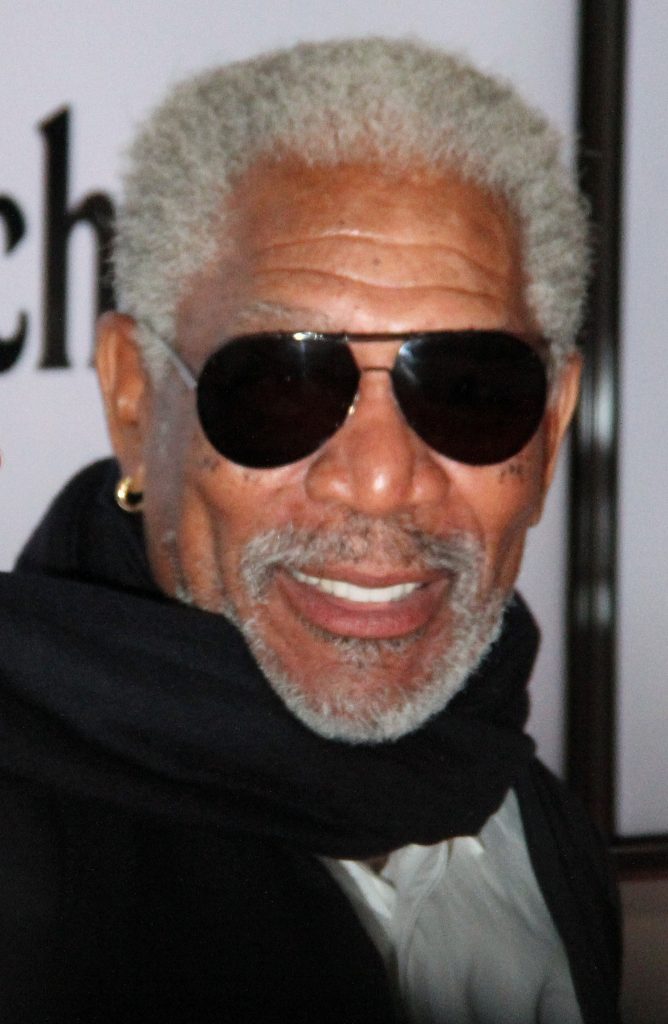
Photo: Georges Biard / Wikimedia Commons / CC BY-SA 3.0
Morgan Freeman’s rise to Hollywood fame did not happen quickly. That is precisely what makes his story so enduring.
Born in Memphis, Tennessee, on June 1, 1937, Freeman discovered acting while still young. But after graduating from high school, he took a very different path. He enlisted in the U.S. Air Force in 1955 and trained as a radar repairman.
After leaving the military in 1959, Freeman returned to the ambition that had stayed with him: acting.
The road ahead was long.
He studied acting and dance, worked on stage and gradually built a career far from the kind of Hollywood stardom for which he would later become known. In 1971, he gained national exposure on the children’s television program The Electric Company, playing several memorable characters.
It was steady work, but Freeman still had not become a major movie star.
His persistence through those years is an important part of his story. Rather than arriving in Hollywood as a young sensation, he spent decades developing his craft in theater and television.
The Turning Point
The major change came in the late 1980s.
Freeman’s performance in the 1987 film Street Smart earned him an Academy Award nomination for Best Supporting Actor. Two years later, his career accelerated dramatically.
In 1989, he appeared in three prominent films: Lean on Me, Glory and Driving Miss Daisy. His performance as chauffeur Hoke Colburn in Driving Miss Daisy — a role he had previously played on stage — brought him another Academy Award nomination and a Golden Globe.
Freeman was already in his 50s.
Instead of marking the later years of a career, that period became the beginning of his greatest international recognition.
A New Kind of Hollywood Star
The 1990s established Freeman as one of the most recognizable actors in American cinema.
His role as Ellis “Red” Redding in The Shawshank Redemption in 1994 became one of his defining performances and brought another Academy Award nomination. Films including Unforgiven, Seven and Amistad further demonstrated how easily he could move between very different characters and genres.
His calm, resonant voice also became an important part of his screen identity.
Over time, Freeman became known not only for acting but also for narration, lending his voice to documentaries and films where a sense of authority, reflection and gravity was essential.
In 2005, after decades of work, he won the Academy Award for Best Supporting Actor for Million Dollar Baby.
Why Morgan Freeman Still Matters
Morgan Freeman’s career offers a different version of the Hollywood success story.
He did not become an international movie star at 20 or 30. Much of the work that made him globally recognizable arrived after decades of stage performances, television roles and smaller opportunities.
Today, well into his 80s, Freeman remains active on screen. His career now stretches across more than six decades.
That longevity is part of why his story continues to resonate.
His path suggests that a career does not have to follow a conventional timetable. The years that appear slow from the outside can become the years in which experience, discipline and a distinctive identity are being built.
Morgan Freeman’s famous voice may be instantly recognizable today, but the journey behind it was anything but instant.
It was the product of persistence — and a remarkably long road to the spotlight.
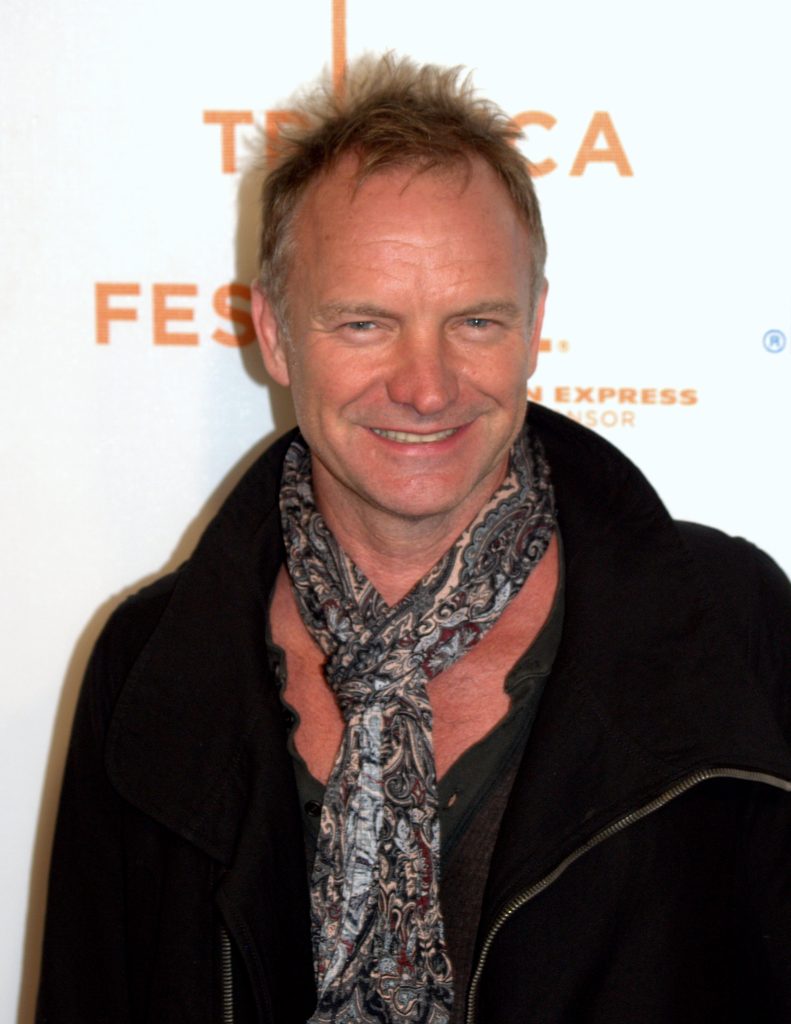
Photo: Thomas Atilla Lewis / Wikimedia Commons / CC BY 3.0
Sting turns 75 today, but his story has never been about standing still.
Born Gordon Sumner in Wallsend, England, on October 2, 1951, he grew up far from the world of international fame that would eventually define his career. Before music became his life, he worked as a teacher and played with local jazz groups, gradually developing the musicianship and songwriting instincts that would take him far beyond his hometown.
His great turning point came after moving to London and forming The Police with Stewart Copeland, later joined by guitarist Andy Summers. The trio created a distinctive sound that mixed rock, new wave, reggae and Sting’s earlier jazz influences.
Songs such as “Roxanne,” “Message in a Bottle,” “Walking on the Moon” and “Every Breath You Take” helped turn The Police into one of the defining bands of their era. Yet at the height of that success, Sting chose another path.
In 1985, he launched his solo career with The Dream of the Blue Turtles. Instead of simply recreating The Police sound, he expanded his musical world, drawing on jazz, pop, rock and global influences. That willingness to change became one of the central themes of his career.
Over the decades, Sting has continued recording, collaborating and performing while repeatedly finding new ways to revisit his own catalog. His career has earned him 17 Grammy Awards, both for his solo work and his work with The Police.
Why Sting Matters Now
At 75, Sting is not simply celebrating a milestone birthday by looking backward.
His STING 3.0 tour continues in 2026, presenting familiar songs through a stripped-down three-piece format. North American dates resume just days after his birthday, showing that the music that began decades ago is still being reworked for audiences today.
That may be the most revealing part of Sting’s story. His longevity has depended not only on the songs people remember, but on his willingness to keep changing the way those songs — and his own career — are presented.
From a schoolteacher in northern England to the frontman of The Police, from global rock star to a solo artist still performing at 75, Sting’s life has been a long exercise in reinvention.
The milestone is not simply that he has reached 75. It is that, more than half a century into his musical journey, he is still finding another version of what comes next.Sting turns 75 today, but his story has never been about standing still.
Born Gordon Sumner in Wallsend, England, on October 2, 1951, he grew up far from the world of international fame that would eventually define his career. Before music became his life, he worked as a teacher and played with local jazz groups, gradually developing the musicianship and songwriting instincts that would take him far beyond his hometown.
His great turning point came after moving to London and forming The Police with Stewart Copeland, later joined by guitarist Andy Summers. The trio created a distinctive sound that mixed rock, new wave, reggae and Sting’s earlier jazz influences.
Songs such as “Roxanne,” “Message in a Bottle,” “Walking on the Moon” and “Every Breath You Take” helped turn The Police into one of the defining bands of their era. Yet at the height of that success, Sting chose another path.
In 1985, he launched his solo career with The Dream of the Blue Turtles. Instead of simply recreating The Police sound, he expanded his musical world, drawing on jazz, pop, rock and global influences. That willingness to change became one of the central themes of his career.
Over the decades, Sting has continued recording, collaborating and performing while repeatedly finding new ways to revisit his own catalog. His career has earned him 17 Grammy Awards, both for his solo work and his work with The Police.
Why Sting Matters Now
At 75, Sting is not simply celebrating a milestone birthday by looking backward.
His STING 3.0 tour continues in 2026, presenting familiar songs through a stripped-down three-piece format. North American dates resume just days after his birthday, showing that the music that began decades ago is still being reworked for audiences today.
That may be the most revealing part of Sting’s story. His longevity has depended not only on the songs people remember, but on his willingness to keep changing the way those songs — and his own career — are presented.
From a schoolteacher in northern England to the frontman of The Police, from global rock star to a solo artist still performing at 75, Sting’s life has been a long exercise in reinvention.
The milestone is not simply that he has reached 75. It is that, more than half a century into his musical journey, he is still finding another version of what comes next.
AFDW Airmen celebrated the U.S. Air Force 71st birthday by attending a special live screening of Captain Marvel at the National Air and Space Museum, Smithsonian Institution, hosted by Good Morning America Sep. 18, 2018. As the first female character to headline a Marvel franchise, Capt. Carol Danvers (actress Brie Larson) exemplifies the barrier-breaking spirit found in every generation of Airmen going back to 1947. (United States Air Force photo by 2d Lt Jessica Cicchetto)(Released)
Photo: 2d Lt Jessica Cicchetto / U.S. Air Force / Wikimedia Commons, Public Domain
Brie Larson has spent most of her life in front of a camera, but her career has rarely followed a simple Hollywood path.
Born in Sacramento, California, in 1989, Larson began acting while still a child. Early television appearances and small film roles gave her years of experience before most audiences knew her name. She also explored music as a teenager, an early sign of a career that would repeatedly move in different directions.
Her rise was gradual rather than immediate. Larson spent years taking supporting roles in television and movies, including appearances in projects such as Scott Pilgrim vs. the World and 21 Jump Street. Those roles kept her working, but they did not yet establish her as a leading dramatic actor.
The turning point came with independent film.
Her performance in Short Term 12 brought widespread critical attention and demonstrated a dramatic range that many viewers had not previously seen. Two years later, Room transformed her career. Playing a young mother held captive with her son, Larson delivered the performance that won her the Academy Award for Best Actress.
Winning an Oscar could easily have become the defining endpoint of her story. Instead, Larson moved into another phase.
She took on large-scale studio films and eventually entered the Marvel Cinematic Universe as Carol Danvers in Captain Marvel. The transition was striking: an actor celebrated for intimate independent drama was suddenly leading one of Hollywood’s biggest superhero productions.
Larson continued moving between different kinds of work rather than staying exclusively within blockbuster filmmaking. Projects including Just Mercy and Lessons in Chemistry allowed her to return to character-driven storytelling while her work as Captain Marvel kept her connected to a global franchise audience.
That movement between independent films, major franchises and television helps explain why Larson’s career remains interesting. She has experienced several professional identities already: child performer, musician, supporting actor, independent-film breakthrough, Oscar winner and superhero lead.
At 37, Larson is still young enough for the next chapter of that career to be difficult to predict.
That is also why her story fits the larger pattern behind many lasting careers. Success does not always arrive in a straight line, and even a milestone as significant as an Academy Award does not necessarily define everything that follows.
Brie Larson’s career so far has been shaped less by staying in one lane than by repeatedly moving into a new one. The next reinvention may be the most interesting part still ahead.