Blog

  • Sylvester Stallone at 80: Nine Back Surgeries and Still Not Done

    Sylvester Stallone turned 80 this summer, and this week he described himself with a word nobody in Hollywood would dare use about him: “idiot.” The reason was his own stunt work. Across five decades of throwing himself into fight scenes, the bill has come to nine back surgeries — and yet today, October 16, he opens the fourth season of Tulsa King on Paramount+, carrying a hit series on the same back.

    It is worth pausing on how unlikely that sentence is. Stallone was not supposed to be a movie star at all, let alone an octogenarian leading man. A forceps injury at his birth in New York in 1946 severed a nerve and left part of his face paralyzed, along with the slurred speech that casting directors treated as a disqualification. He was broke, occasionally homeless, and taking whatever work existed when he sat down and wrote Rocky in a matter of days — then refused to sell the script unless he starred in it. The film was made for about a million dollars in 1976 and won the Academy Award for Best Picture.

    The Franchise King, and the Cost

    Rocky made him immortal; Rambo, starting with First Blood in 1982, made him a global industry. Through the 1980s, Stallone and Arnold Schwarzenegger essentially were the action genre. But the genre ran on his body, and the body kept receipts. There were the ordinary accumulations of a hundred fight scenes, and then there were the famous ones — a neck broken during a fight scene with Steve Austin on The Expendables in 2010 that required surgery and a metal plate, on a film he was also directing, at 63.

    The 1990s and 2000s were less kind. The hits thinned out, the parodies piled up, and by the standards of his own peak, Stallone looked finished more than once. What he did instead became the pattern of his career: he went back to the two characters he owned outright and rebuilt. Rocky Balboa in 2006 was supposed to be a farewell and played like a resurrection. Creed in 2015 went further — Stallone, now supporting another man’s story, gave the performance of his life and won a Golden Globe, with an Academy Award nomination alongside it.

    Fifty Years, By the Numbers

    Our own ledger of the career, because the scale of it is easy to forget:

    • 9 films in the Rocky saga, from Rocky (1976) to Creed III (2023) — a character sustained across 47 years
    • 5 Rambo films, from First Blood (1982) to Last Blood (2019)
    • 4 Expendables films, launched at age 64 with a cast of fellow action survivors
    • 3 Academy Award nominations — two for Rocky, as actor and writer, and one for Creed, 39 years later
    • 9 back surgeries, the number he gave interviewers this week
    • 1 television leading role: Tulsa King, taken on at 76, now entering its fourth season

    No other action star of his generation is still opening seasons. Schwarzenegger works; Stallone headlines.

    Why Stallone Matters Now

    The interesting thing about the “idiot” remark is that it was not really regret. In the same round of interviews, Stallone talked about leaving California for Florida in 2024 because he had grown, in his words, complacent and dull — a man of 78 moving states to keep himself sharp, and saying the move left him invigorated. That is the thread that runs from the broke kid who would not sell Rocky without himself attached to the 80-year-old discussing his surgical history like a season injury report: the work is the point, and the damage is simply what the work costs.

    Tulsa King’s Dwight Manfredi — an old gangster exiled to Oklahoma, building an empire out of leftovers — is as close to autobiography as television gets. Stallone keeps playing men who were counted out and declined to stay down. At this point it is less a role than a record. Nine surgeries in, the count-out still has not come.

    More from NotedLives:

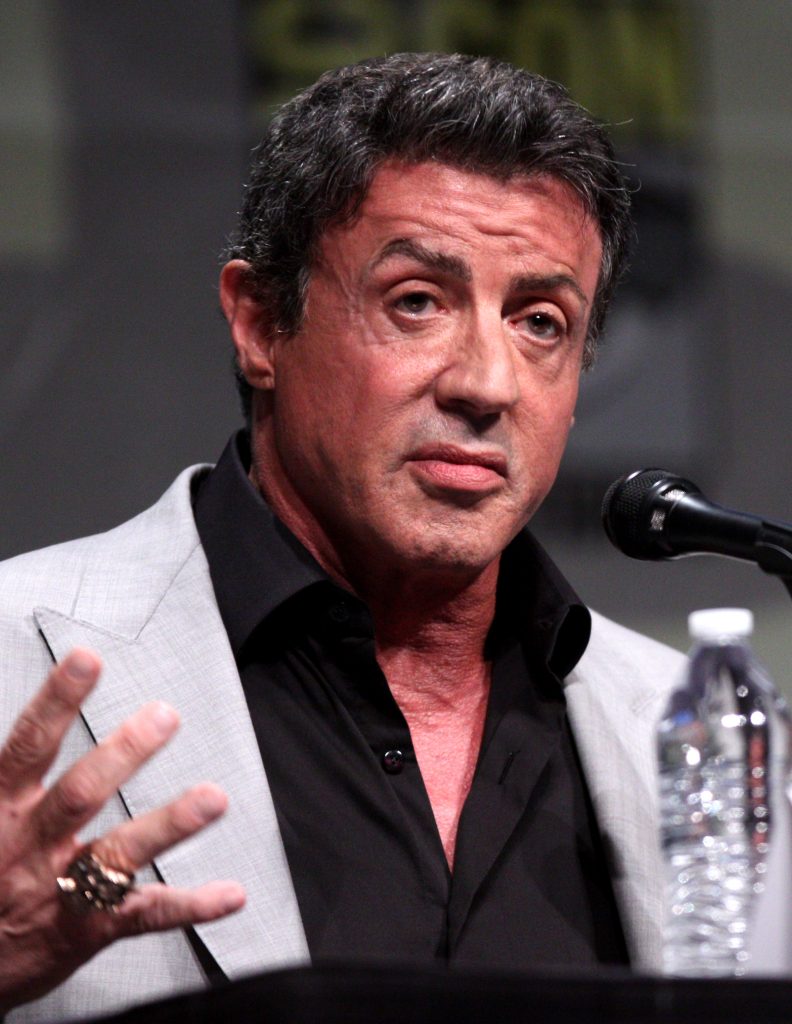
    Photo: Gage Skidmore / Wikimedia Commons / CC BY-SA 3.0
  • Animals Ending Explained: Who Really Saved Hector?

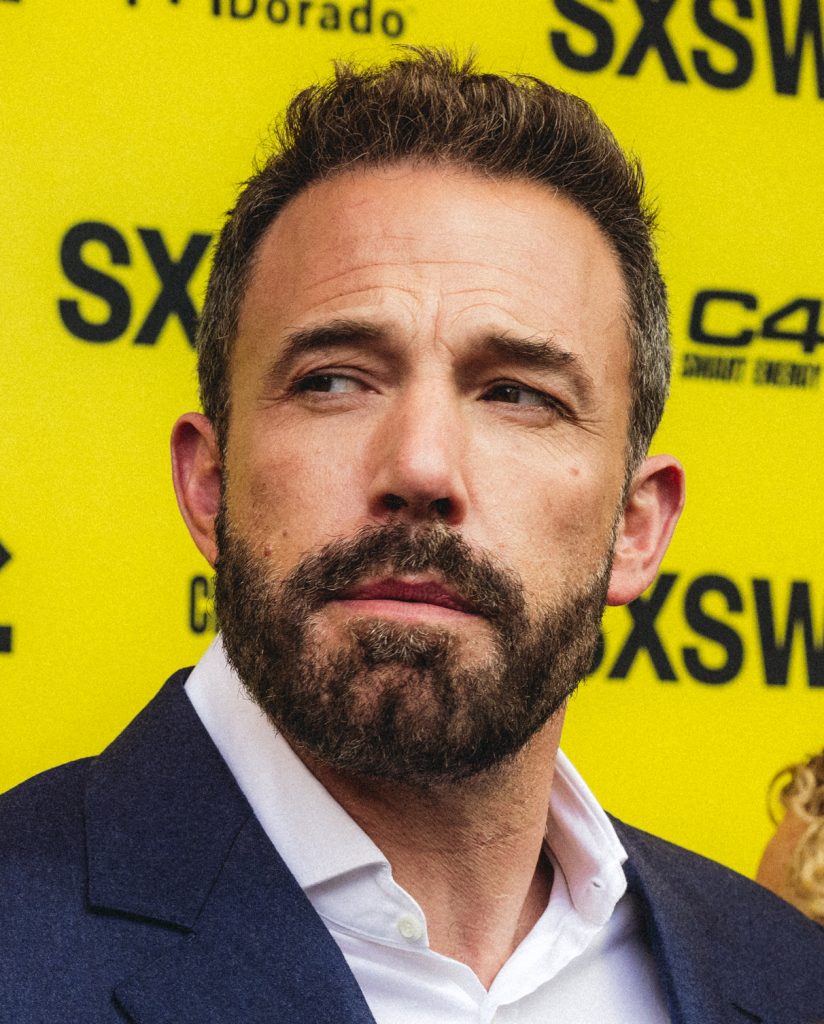
    Netflix’s Animals, directed by Ben Affleck, opens like a straightforward kidnapping thriller and ends as something much colder: a story about how a public image gets manufactured.

    Affleck plays Mark Kimball, a wealthy Los Angeles lawyer running for mayor. On Halloween night, his young son appears to be kidnapped, and the ransom demand is $7 million — money Mark no longer has, because he has poured his fortune into his own campaign. He and his wife Abigail (Kerry Washington) turn to Dayle Burton (Gillian Anderson), an expensive fixer who handles crises for powerful people quietly and, when necessary, lethally.

    Then comes the twist the whole film turns on. Mark’s son was never taken. The kidnappers grabbed the wrong boy — Hector, the son of Ramon (Luis Gerardo Méndez), an undocumented immigrant whose partner Cecilia works in the Kimball household. The two boys were wearing matching Halloween costumes. Mark suddenly has to decide whether he will still pay $7 million, and risk everything, for somebody else’s child.

    What Happens at the Ransom Drop

    Mark goes ahead with the exchange in the concrete channel of the Los Angeles River, with Dayle’s armed associate positioned nearby. The drop collapses into a shootout. Dayle’s man kills two of the kidnappers, but a third, hidden gunman kills him and fatally wounds Dayle. The surviving kidnapper’s grievance, it emerges, is personal — he blames Mark’s past legal work for ruining his life.

    With Mark and Hector cornered, the shot that saves them does not come from Dayle’s team. Ramon, who followed Mark to the exchange, kills the last kidnapper himself. The real hero of the night is the boy’s father — a man with no money, no status, and no legal right to be in the country.

    Before Dayle dies, Mark takes the phone she used to record their arrangement — the one piece of evidence that could destroy him. She dies, and with her goes the only leverage anyone held over him.

    The Lie That Wins an Election

    What happens next is the film’s real ending. Mark and Ramon agree on a public version of the night: Ramon will say Mark saved his life and his son’s. Ramon tells that story at a press conference, and it transforms Mark from a floundering candidate into a hero — one who risked his life for an immigrant family. The Latino support Mark had been chasing all campaign falls into place, and he wins the mayoral race.

    Mark’s own legal exposure is managed down to minor firearm charges, probation, and community service. Ramon, meanwhile, quietly leaves for Mexico with his family and the ransom money, which sets them up with a ranch and a new life. Nobody in the arrangement tells the public the truth, because the truth helps none of them. The film closes with Mark, the self-made hero mayor, already being talked about as a man with national ambitions.

    The Night, in Order

    Our own reconstruction of how the ending is assembled, beat by beat:

    • Halloween night: a boy in a costume identical to Mark’s son’s is taken. The ransom demand is $7 million.
    • The twist: the boy is Hector, the son of the Kimballs’ employee Cecilia and her partner Ramon. Mark’s son was never in danger.
    • Mark hires fixer Dayle Burton, whose recorded calls become the only hard evidence of the arrangement.
    • At the LA River drop, the exchange collapses. Dayle’s associate and Dayle herself are killed — by a gunman whose motive is revenge against Mark, not money.
    • The saving shot comes from Ramon, who followed Mark. The father, not the fixer, ends it.
    • Dying, Dayle loses her phone to Mark. The evidence disappears with her.
    • The press conference: Ramon publicly credits Mark with the rescue. The story, not the night, wins the election.
    • The settlement nobody announces: minor charges for Mark, and the ransom money leaves the country with Ramon’s family.

    What the Ending Really Means

    Animals is not based on a true story, though its premise deliberately echoes Akira Kurosawa’s 1963 classic High and Low, in which a rich man must decide whether to pay a ransom for an employee’s child taken by mistake. Affleck’s version pushes the idea somewhere bleaker. In Kurosawa’s film, paying the ransom costs the hero his fortune but saves his soul. In Animals, Mark pays almost nothing — and the rescue he did not perform becomes the foundation of his power.

    That is the meaning of the title. Every character in the finale behaves like an animal protecting its own territory: Dayle protects her business, Ramon protects his son and then his family’s future, and Mark protects Mark. The one genuinely selfless act of the night — a father saving his boy — is the one thing the public is never allowed to know about. Mark does not become a villain in the ending. He becomes something more ordinary and more unsettling: a politician whose finest moment was staged, and who knows it, and sleeps fine anyway.

    More from NotedLives:

    Photo: Nomoretitanic / Wikimedia Commons / CC BY-SA 4.0

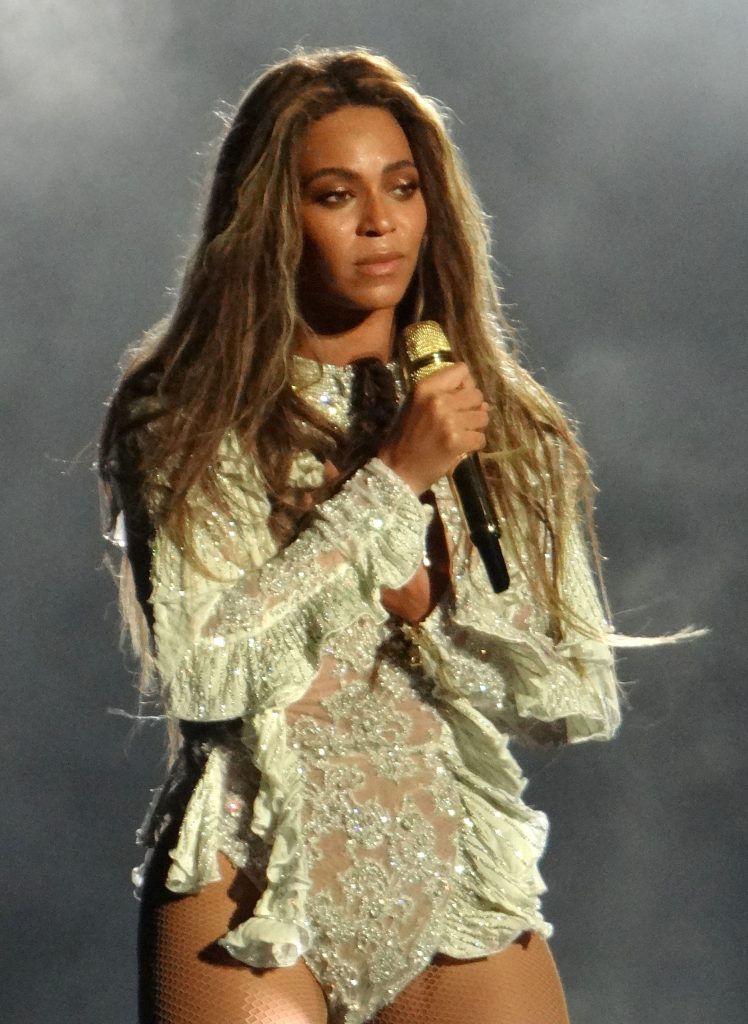
  • Beyoncé’s $1 Billion Net Worth: The Fortune She Sang Her Way To

    Most of pop’s new billionaires got there with a product line. Beyoncé got there with a microphone.

    Forbes places her net worth at $1 billion on its 2026 World’s Billionaires list, where she sits at No. 21 among celebrity billionaires — one notch ahead of Dr. Dre, who crossed the same line this year. She joined the list in late 2025, after the biggest touring run of her life, and Forbes has been clear about the composition of the fortune: the bulk of it comes from roughly three decades of performing, first with Destiny’s Child and then solo. In a billionaire class built on beauty equity and liquor brands, hers is the fortune that still runs on ticket sales.

    The numbers behind that are difficult to argue with. Her Renaissance World Tour grossed a reported $579.8 million in 2023. The Cowboy Carter Tour, which closed in Las Vegas in July 2025, added another $407.6 million. Two tours, nearly a billion dollars at the box office — before a single album, stream, or sponsorship is counted. She also kept control of the asset underneath it all: full ownership of her recorded catalog, the masters many artists of her generation signed away as teenagers.

    The business ventures exist, but they are the garnish, not the meal. She founded Parkwood Entertainment in 2010 and has run her career through it ever since — albums, films, and tours produced inside her own house rather than rented from someone else’s. Her Cécred hair care line and SirDavis whiskey extend the brand, and a real estate portfolio plus an art collection reported near $70 million round out the balance sheet. None of it, Forbes’ accounting says, outweighs the stage.

    The career underneath the money needs little introduction. Born in Houston in 1981, she was performing in girl groups before she was ten, broke through with Destiny’s Child in the late 1990s, and went solo in 2003. She has won 32 Grammy Awards — more than any artist in history — and placed more than two dozen songs in the Billboard Hot 100’s top ten across three different decades. Longevity at that level is itself a business model: every new generation of fans buys a ticket to see a catalog that never stopped growing.

    There is a household footnote that borders on the absurd. Her husband, Jay-Z, is estimated by Forbes at $2.8 billion, which puts the couple’s combined fortune near $3.8 billion — built by two people who both started with nothing but a voice and a neighborhood that believed in them.

    Estimates will keep shifting; private fortunes always do, and Forbes revises its figures as tours end and markets cool. But the shape of this one is settled, and it is the rarest shape in modern celebrity wealth. Beyoncé did not license her fame to a fortune. She performed her way to it, one sold-out stadium at a time, for thirty years.

    Photo: Kristopher Harris / Wikimedia Commons / CC BY 2.0

  • Lisa at 29: Why Marriage Scares Her

    Lisa at 29 has almost everything a pop star can win. Then, in her new documentary, she admitted the one thing she is not sure fame will let her have: a wedding.

    In Always Lalisa, the feature documentary that premiered at the Toronto International Film Festival on September 11 and opened in limited theaters on October 12, director Sue Kim slowly leads Lisa Manobal to the most personal subject of her life. Lisa says she wants to get married and have children. She says her father is sick, and that she wants him to walk her down the aisle. And then she says the quiet part: she is worried her fans will not be happy if it happens.

    Kim chose to leave the moment unresolved, and Lisa has not tried to resolve it either. Asked about the scene, she said she hopes fans understand her more, adding that she is just a girl who wants the same things anyone wants at the end of the day.

    It is a startling confession from the most-followed K-pop soloist on the planet, and it lands differently when you remember how far she traveled to get here. Lisa was born Pranpriya Manobal on March 27, 1997, in Buriram, in Thailand’s northeast. In 2010 she walked into a YG Entertainment audition in Thailand and became the only applicant accepted, moving alone to South Korea at 14 without speaking Korean. She trained for more than five years before debuting with BLACKPINK in August 2016, the group’s rapper and main dancer, and the first non-Korean artist YG ever launched.

    BLACKPINK became one of the best-selling girl groups of all time, but Lisa’s solo numbers rewrote the record books on their own. Her 2021 single album Lalisa made her the first female artist to sell 736,000 copies in a week in South Korea, its video set a 24-hour YouTube record for a solo artist, and “Money” became the first song by a K-pop soloist to pass one billion streams on Spotify.

    The year Always Lalisa follows is the year she stepped out of that system. In 2024 she founded her own company, Lloud, and signed with RCA Records. Her debut album Alter Ego arrived in 2025 and reached the top ten of the Billboard 200. She made her acting debut as Mook in the third season of The White Lotus, filmed in her home country. BLACKPINK reunited for the EP Deadline and another world tour, and this fall she performed her single “SaWaDiKa” at the MTV Video Music Awards, where she took home the Best Pop award.

    The documentary exists because of that independence. Kim has said she knew from the start she was working with an idol outside the old K-pop system, which allowed an honesty the industry rarely permits. K-pop has historically held its stars to a near-impossible standard in their private lives, where dating news alone can become a scandal. Marriage and children sit at the very top of that list of forbidden subjects, which is exactly why Lisa’s fear is not vanity. It is a real calculation that women in her position have had to make for decades.

    What she does with it is, for now, an open question, and the film is content to leave it open. Always Lalisa is in limited theatrical release now and is expected to stream on YouTube Premium later this year. Lisa, meanwhile, is back on the road and back in the studio, still 29, still collecting firsts. She has conquered countries, charts and one of television’s biggest shows. The only milestone she cannot schedule is the one most people take for granted, and for the first time, she has said so out loud.

    Photo: 티비텐, Wikimedia Commons, CC BY 3.0

  • LeBron James at 41: His Boldest Chapter Yet

    On September 28, 2026, a 41-year-old man walked into a gymnasium in Camden, New Jersey, wearing a Philadelphia 76ers uniform he had never worn before, and talked about winning one more championship. It was LeBron James, opening his record 24th NBA season — with his fourth franchise, on the smallest contract of his career. Asked what he was still chasing at an age when nearly every great before him had retired, he did not mention money or milestones. He said, plainly, that he had not left his family behind to lose in the second round.

    It was vintage James: direct, unbothered, and aimed at one thing. The audacity of it — a player old enough to be a rookie’s father, switching teams to chase a ring — is exactly what has defined his entire career.

    Born on December 30, 1984, in Akron, Ohio, LeBron Raymone James grew up with a single mother who moved them from apartment to apartment while he found stability in basketball. By the time he was a junior at St. Vincent–St. Mary High School, his games were being broadcast nationally. He was the most scrutinized high school player in American history before he could legally vote.

    The Chosen One Delivers — Eventually

    The Cleveland Cavaliers took him first overall in the 2003 NBA Draft, and he won Rookie of the Year the following spring. What followed was seven seasons of individual brilliance and playoff heartbreak, including a trip to the 2007 Finals where his young Cavaliers were swept. Cleveland adored him and slowly began to fear the obvious: one man, no matter how gifted, could not win a title alone.

    In the summer of 2010, James announced on a nationally televised special that he was taking his talents to Miami, making him the most hated athlete in America overnight. Then he went out and won: championships in 2012 and 2013 — league MVP and Finals MVP in both seasons.

    Homecoming and Hollywood

    After four seasons in Miami, James did the one thing nobody expected and wrote an essay announcing his return to Cleveland. The mission was singular: bring the city its first championship in 52 years. In 2016, down 3–1 in the Finals against a Golden State team that had won 73 regular-season games, he led the greatest comeback in Finals history. The chase-down block in Game 7 has been replayed millions of times; in Cleveland, it is closer to scripture.

    Two years later, at 33, he signed with the Los Angeles Lakers — a franchise that had missed the playoffs five straight years. In the pandemic-shortened 2020 season, inside a sealed bubble near Orlando, he won his fourth title and became the first player to earn Finals MVP with three different teams. It was the strangest championship ever played, and he treated it with the seriousness of all the others.

    The Records That Will Outlive Him

    In February 2023, James passed Kareem Abdul-Jabbar to become the NBA’s all-time leading scorer, a record that had stood for nearly four decades and was considered untouchable. He kept going: 40,000 career points in March 2024, then 50,000 including playoffs a year later — clubs with exactly one member. He holds the records for most All-Star selections and most minutes played in league history, ranks fourth in career assists, and was voted the league’s MVP four times across five seasons.

    But ask him what matters most and the answer is not on the stat sheet. In 2024, his son Bronny was drafted by the Lakers, and that October the two became the first father-and-son duo to share an NBA court. James has said plainly that of everything he has done in basketball, playing alongside his son is the accomplishment he treasures most. The same summer, he carried the American flag at the Paris Olympics and left with another gold medal — and tournament MVP honors, at 39.

    His final act with the Lakers was quietly excellent: in his 23rd season he averaged 20.9 points on 51.5 percent shooting with 7.2 assists and 6.1 rebounds, and dragged an injury-depleted team past Houston in the first round of the playoffs. Then, on June 30, 2026, his agent informed the Lakers he would play elsewhere, ending eight seasons in Los Angeles — the longest he had spent anywhere. Three weeks later he announced he was joining the 76ers on a two-year deal reported at $8 million, teaming with Joel Embiid, Tyrese Maxey, and Jaylen Brown.

    Why LeBron James Matters Now

    Most athletes’ legacies are decided by what they did. James’s is being decided by what he refuses to stop doing. He has played more minutes, scored more points, and appeared in more Finals than anyone in league history — and at 41, he walked away from the most glamorous franchise in basketball because he believed a better shot at one more title existed somewhere else.

    There is a real chance this Philadelphia chapter ends without a ring, and it will not dent anything. The larger story is already written: a kid from Akron who carried impossible expectations for a quarter century and somehow exceeded them, who made the unthinkable — 24 seasons, four teams, the scoring crown — look like a career plan instead of a miracle. Every record he set was supposed to be the ceiling. He kept treating them as floors.

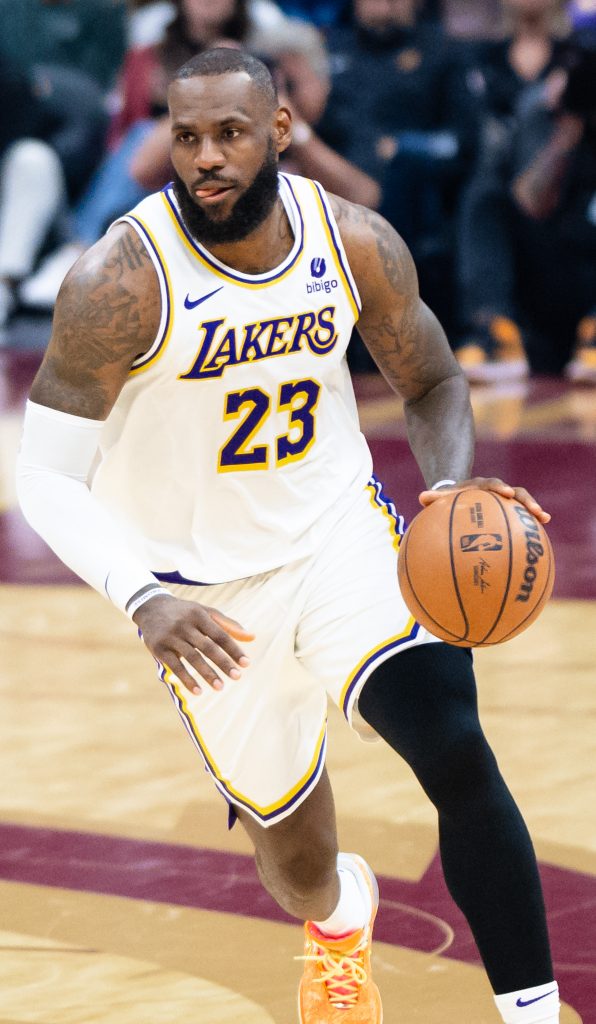
    Photo: LeBron James during a Cleveland Cavaliers vs. Los Angeles Lakers game on November 25, 2023. Photo by Erik Drost, via Wikimedia Commons, licensed under CC BY 2.0 (https://commons.wikimedia.org/wiki/File:LeBron_James,_25_November_2023_02_(cropped).jpg)

  • Ayra Starr at 24: From Lagos to NFL Halftime History

    On October 11, 2026, tens of thousands of American football fans packed into Tottenham Hotspur Stadium in London got an unscheduled education in Afrobeats. During halftime of the NFL International Game between the Philadelphia Eagles and the Jacksonville Jaguars, a 24-year-old Nigerian singer walked onto the stage and made history as the first African artist ever to headline the showcase. Her name is Ayra Starr. By the time she tore through “Rush,” a football crowd that had come for touchdowns was hers.

    It was the kind of moment that looks inevitable in hindsight and impossible up close. Seven years ago, Ayra Starr was posting song covers on Instagram, hoping someone — anyone — would listen.

    Born on June 14, 2002, as Oyinkansola Sarah Aderibigbe, Starr did not begin by chasing a microphone. At 16, she was building a career in fashion, signed with Quove Model Management and working as a model. Music entered through a side door: she started uploading covers of popular songs to her Instagram page, and in December 2019 she posted her first original song. That single upload changed the trajectory of her life. Don Jazzy, the legendary producer and founder of Mavin Records — one of the most powerful figures in African music — heard it and signed her on the spot.

    The EP That Announced Her

    Starr’s self-titled debut EP arrived in January 2021, and its standout track “Away” was an instant signal that Mavin had found something rare. The song climbed to number four on Nigeria’s TurnTable Top 50 and reached number 17 on Billboard’s Top Triller Global chart. For a newcomer with a single EP to her name, those numbers were a warning shot to the entire industry: a new voice had arrived, and it was not asking for permission.

    19 & Dangerous

    Her debut studio album, 19 & Dangerous, followed in August 2021. Its lead single, “Bloody Samaritan,” did what no solo song by a female artist had ever done before — it reached number one on Nigeria’s TurnTable Top 50. Starr was 19 years old and already rewriting the record books in her home country. The industry stopped treating her as a prospect and started treating her as a standard.

    “Rush” Goes Global

    The real detonation came in 2022 with “Rush.” The song traveled further than almost any Afrobeats record by a young female artist in years, charting in the United Kingdom, Ireland, and Switzerland, passing 100 million views on YouTube, and earning Starr her first Grammy nomination for Best African Music Performance. “Rush” made her name recognizable far beyond Nigeria and remains the song crowds shout for first at every show. It was the moment Afrobeats’ new generation got its global anthem, and Starr was holding the microphone.

    Her second album, The Year I Turned 21, arrived in 2024 and consolidated everything she had built. But it was clear she was aiming at something larger than albums.

    Starrgirl and the NFL Stage

    That something arrived on August 14, 2026, with Starrgirl, her third studio album. Sixteen tracks released through Mavin Records and Republic Records, stacked with collaborations crossing continents and genres — Wizkid, Rema, ZAYN, Leon Thomas, and more. The commercial response was immediate: the album debuted at number two on Spotify’s Global Top Albums chart with 3.9 million streams on its first full day, one of the strongest openings of the year for an African artist.

    Two months later came the history. Performing “Heaven Baby,” “Rush,” and “Hot Body” at Tottenham Hotspur Stadium, Starr became the first African artist to headline an NFL International Game halftime show — playing to tens of thousands of people who had mostly come for the football and converting them in real time. A halftime slot is a brutal test: you get strangers, not fans. She passed it completely.

    She did not wait to capitalize. Less than a day after the performance, she announced the Starrgirl World Tour: 20 dates across Europe, the United Kingdom, and North America, opening January 20, 2027, in Cologne, Germany, and closing April 14 in San Francisco. Artist presales begin October 14, with general sale following on October 16. She has also promised fans African dates in December, with details still to be announced — a homecoming before the world run. She has additionally submitted multiple entries for the 2027 Grammy Awards, signaling she intends to compete at the highest level again.

    Why Ayra Starr Matters Now

    Ayra Starr matters because she is the clearest proof of Afrobeats’ second wave. The first wave proved Nigerian music could cross over; Starr is proving a 24-year-old Nigerian woman can headline the stages the pioneers only dreamed about — NFL halftime shows, 20-city world tours, the top of global streaming charts. She went from Instagram covers to the biggest platforms on earth in under seven years, and she did it without diluting what made her Nigerian in the first place. The tour announcement is not just a concert schedule. It is a statement that the center of pop music has moved, and Ayra Starr is standing in it.

    Photo: Ayra Starr performing at the Shoke Shoke Festival in Kenya, 2023, by Capital FM Kenya via Wikimedia Commons (CC BY 3.0).

  • Scarlett Johansson at 40: How Hollywood’s Highest-Grossing Star Rewrote the Rules

    In the summer of 2025, Scarlett Johansson did something no actor in the history of cinema had ever done. When Jurassic World Rebirth finished its theatrical run at $869 million worldwide, her career box-office total pushed past $14.8 billion — lifting her above Samuel L. Jackson and Robert Downey Jr. to the very top of the all-time rankings. She had done it in just 36 films. Asked how it felt to be the highest-grossing actor who ever lived, she brushed it off as temporary.

    That shrug is pure Johansson. For three decades she has treated the biggest machinery in Hollywood as something to use rather than something to serve — and the industry keeps rewarding her for it.

    Born on November 22, 1984, in Manhattan, New York City, Scarlett Ingrid Johansson arrived alongside her twin brother, Hunter, to a producer mother and an architect father. Her parents divorced when she was thirteen, and her mother managed her early career, steering her toward auditions while she was still in elementary school.

    A Child Actor Who Refused to Stay One

    Johansson made her film debut at nine in Rob Reiner’s 1994 comedy North. Two years later she carried Manny & Lo, a small indie about two runaway sisters, earning an Independent Spirit Award nomination. Then came The Horse Whisperer in 1998, where Robert Redford cast her as the injured teenager at the story’s center — the first time a mass audience saw her.

    What separates her from nearly every other child actor of her generation is what happened next. Instead of aging into teen franchises, she chose strange, grown-up parts. She was building a résumé that looked nothing like a child star’s — because she had already decided she wasn’t going to be one for long.

    Lost in Translation

    Everything changed in 2003. At eighteen, Johansson played Charlotte, the neglected young wife wandering Tokyo, opposite Bill Murray in Lost in Translation — winning the BAFTA for Best Actress. The same year she starred in Girl with a Pearl Earring as the maid who becomes Vermeer’s muse. Two prestige pictures in twelve months, both built around her face and her silences. Hollywood had a new serious actress, still a teenager.

    Becoming Black Widow

    In 2010, Johansson won the role of Natasha Romanoff in Iron Man 2 after Emily Blunt withdrew over scheduling conflicts — dyeing her hair red to convince director Jon Favreau, then throwing herself into stunt training. The character could have been decoration. Instead, across nine Marvel films, she made Black Widow the connective tissue of the franchise, culminating in Avengers: Endgame, one of the highest-grossing films ever made.

    The Marvel years made her the most bankable woman in the industry — Forbes named her the world’s highest-paid actress in both 2018 and 2019. And while carrying the franchise, she kept one foot in prestige cinema: in 2020 she earned two Academy Award nominations in the same year, Best Actress for Marriage Story and Best Supporting Actress for Jojo Rabbit. A 2010 Tony for her Broadway debut in A View from the Bridge and two albums as a singer rounded out a résumé that refused to fit in one box.

    The Lawsuit That Changed the Streaming Era

    In 2021, Disney released her long-delayed solo film Black Widow simultaneously in theaters and on Disney+ Premier Access. Johansson’s pay was tied to box-office performance, so in July 2021 she sued Disney for breach of contract — one of the first times an A-list star had publicly taken the world’s biggest studio to court over streaming-era pay. The two sides settled that September on undisclosed terms, and Johansson kept working with Disney afterward. But the message landed: talent would not accept old contracts in the new distribution world, and streaming compensation soon became standard negotiating territory for every major star.

    The $15 Billion Summer

    Then came 2025. Cast as mercenary Zora Bennett in Jurassic World Rebirth — directed by Gareth Edwards, co-starring Jonathan Bailey and Mahershala Ali — Johansson fronted a franchise reboot with no returning characters. It opened to $318 million worldwide in its first five days and closed at $869 million, the sixth-highest-grossing film of the year.

    The run pushed her career total past $15 billion, making her the first actor in history to cross that line and placing her at number one on the all-time box-office chart. In the same season, her directorial debut, Eleanor the Great — starring June Squibb — premiered at the Cannes Film Festival. Acting milestone and directing debut, within weeks of each other, at forty.

    Off screen, her personal life has been lived largely in public: a marriage to Ryan Reynolds from 2008 to 2011, a second marriage to Romain Dauriac from 2014 to 2017 with whom she shares a daughter, and since 2020 a marriage to comedian Colin Jost, with whom she welcomed a son in 2021.

    Why Scarlett Johansson Matters Now

    Plenty of actors have had a hit. Almost none have survived every phase of the modern industry and come out with more leverage than they started with. Johansson outlasted child stardom without a tabloid spiral, carried the biggest franchise on earth without being swallowed by it, and sued the most powerful studio in Hollywood over the future of compensation — winning the settlement and keeping the relationship. Then, at an age when the industry historically starts sidelining actresses, she became the highest-grossing actor of all time and directed her first feature.

    The $15 billion is the receipt. The real story is three decades of refusing to be only one thing — and being right every time.

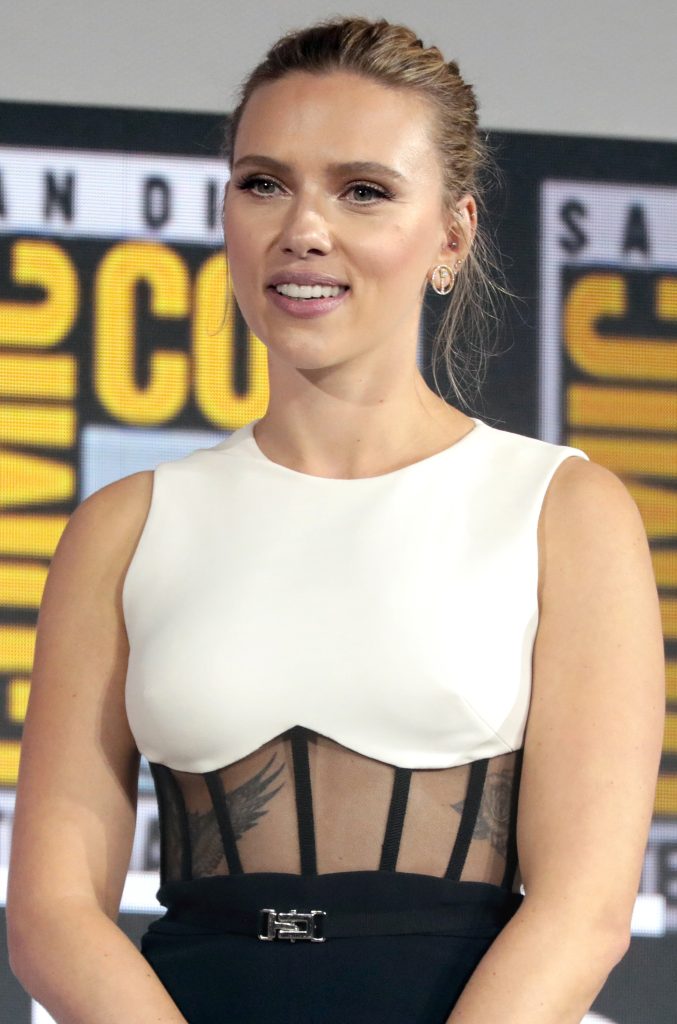
    Photo: Gage Skidmore, via Wikimedia Commons (CC BY-SA 2.0).
    https://commons.wikimedia.org/wiki/File:Scarlett_Johansson_by_Gage_Skidmore_2_(cropped).jpg

  • RJ Mitte, Breaking Bad’s Walter Jr., Dies at 34

    RJ Mitte, who played Walter “Flynn” White Jr. on all five seasons of Breaking Bad, died on Monday, October 12, 2026, in Brownsville, Texas. He was 34.

    His representative, Sean Reilly, confirmed the death to USA Today and Deadline. “It is with profound sadness that we share the tragic passing of beloved actor, philanthropist, and passionate disability rights advocate RJ Mitte,” Reilly said in a statement, asking the public to respect the privacy of Mitte’s family and close friends. His representatives did not disclose a cause of death.

    Mitte was born with cerebral palsy, diagnosed at the age of three. When he was cast as Walter White Jr. — a teenager living with cerebral palsy — at fifteen, the role became one of the most visible portrayals of disability on American television. He played Flynn across the show’s entire run from 2008 to 2013, the moral center of a family being torn apart by Walter White’s double life.

    Off screen, he turned that visibility into advocacy. He worked with United Cerebral Palsy and Shriners Children’s, and served as president of the Mitte Foundation, speaking openly about disability inclusion in Hollywood and beyond.

    Bryan Cranston, his on-screen father, posted an emotional tribute on Monday night. “I’m in deep despair as I write this tonight,” Cranston wrote. “RJ Mitte, my sweet son on Breaking Bad has died.” He recalled meeting Mitte when the young actor was just fourteen, and praised his determination — growing from a teenager on the show’s set into a talented actor and disability rights advocate. “He was one of the stars of a hit TV show — but still a kid,” Cranston added.

    Mitte’s final public appearance came just twelve days before his death, at the September 30 premiere of his latest film Talking to Strangers at the Fine Arts Theatre in Beverly Hills. His last social media post, on October 8, promoted the film.

    For viewers who knew him as Flynn, his death is also a moment to remember what he represented: proof that disability on screen could be played by someone who lived it, and lived it fully.

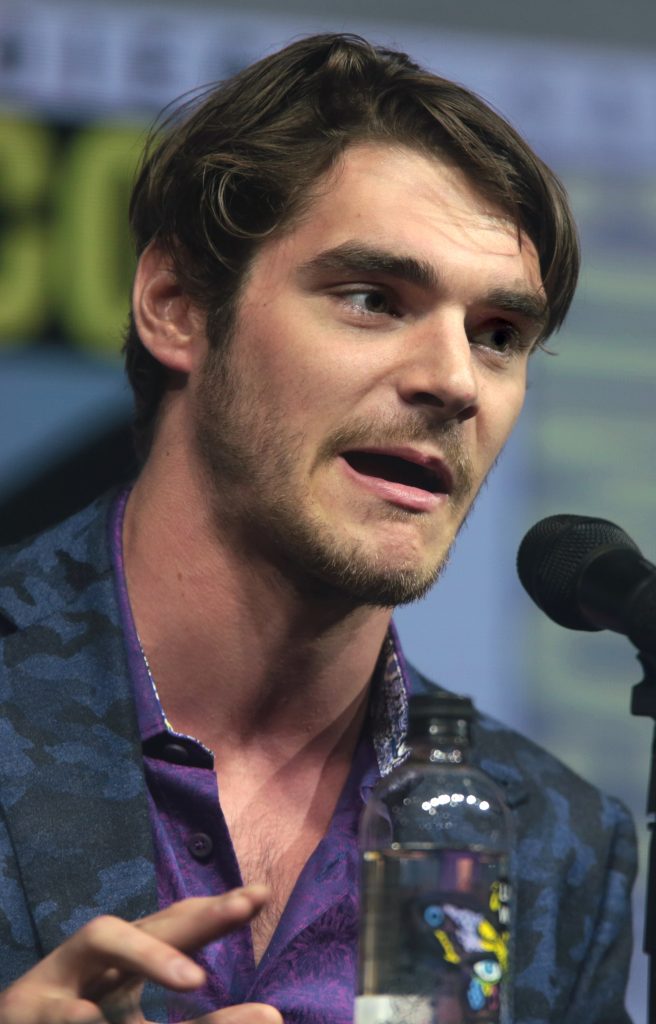
    Photo: Gage Skidmore, via Wikimedia Commons (CC BY-SA 3.0).
    https://commons.wikimedia.org/wiki/File:RJ_Mitte_by_Gage_Skidmore.jpg

  • Inception Ending Explained: Was Cobb Still Dreaming?

    Spoiler warning: this one explains everything, including the final shot.

    Sixteen years later, people are still arguing about a spinning top. That is the mark of Inception (2010), Christopher Nolan’s dream-heist epic — and the ending deserves a proper unpacking.

    The setup: Dom Cobb (Leonardo DiCaprio) is an extractor, a thief who steals secrets from inside people’s dreams. He is hired by the businessman Saito (Ken Watanabe) for the impossible job — not extraction, but inception: planting an idea so deep in a target’s mind that he believes it is his own. The target is Robert Fischer (Cillian Murphy), heir to a corporate empire, and the idea is a simple one: break up his father’s company.

    To do it, Cobb assembles a team — Arthur (Joseph Gordon-Levitt), the architect Ariadne (Elliot Page), the forger Eames (Tom Hardy), and the chemist Yusuf (Dileep Rao) — and they descend through layered dreams, each level running slower than the one above. And beneath it all lies limbo: raw, unconstructed dream space where a few minutes of real time can feel like decades.

    That is where Cobb’s tragedy lives. Years earlier, he and his wife Mal (Marion Cotillard) got lost in limbo and lived what felt like fifty years there. To convince her to wake up, Cobb did something he should never have done — he performed inception on his own wife, spinning her totem (a top) inside her mind-safe and planting the idea “your world is not real.” It worked too well. Back in the real world, Mal could no longer believe reality was real, and she took her own life — framing Cobb for her death and keeping him exiled from his children.

    So the whole film is Cobb trying to earn his way home.

    The final mission succeeds. Fischer wakes believing the idea was his. Saito, shot in the dream and lost in limbo, is found by an aged Cobb — and the old man’s recognition (“have we met?”) is enough to pull them both out. Cobb clears immigration, and walks into his home. His children turn around. He spins his top on the table — and walks away to them without watching it fall. The camera holds on the top. It spins. It wobbles, just slightly. Cut to black. Credits.

    So — was it real? Here is what we actually know:

    The top is Cobb’s totem. In reality, it topples. In a dream, it spins forever. The film never shows us which happens — deliberately. Nolan has refused for sixteen years to give a straight answer, and that is the point: Cobb no longer looks back. He has chosen his reality.

    But the clues lean one way. Michael Caine, who plays Cobb’s father-in-law Miles, has said that every scene he appears in is reality — and he is in the final scene. Then there is the wedding ring theory: throughout the film, Cobb wears his wedding ring in dream sequences and not in real-world ones. In the final scene, his left hand is bare. And the children’s clothes — identical to his memories — are likely a deliberate red herring, Nolan’s way of reminding us that memory is unreliable.

    The honest answer: it was probably real. But Nolan’s real trick is making us realize the question matters less than Cobb’s choice. He stopped checking.

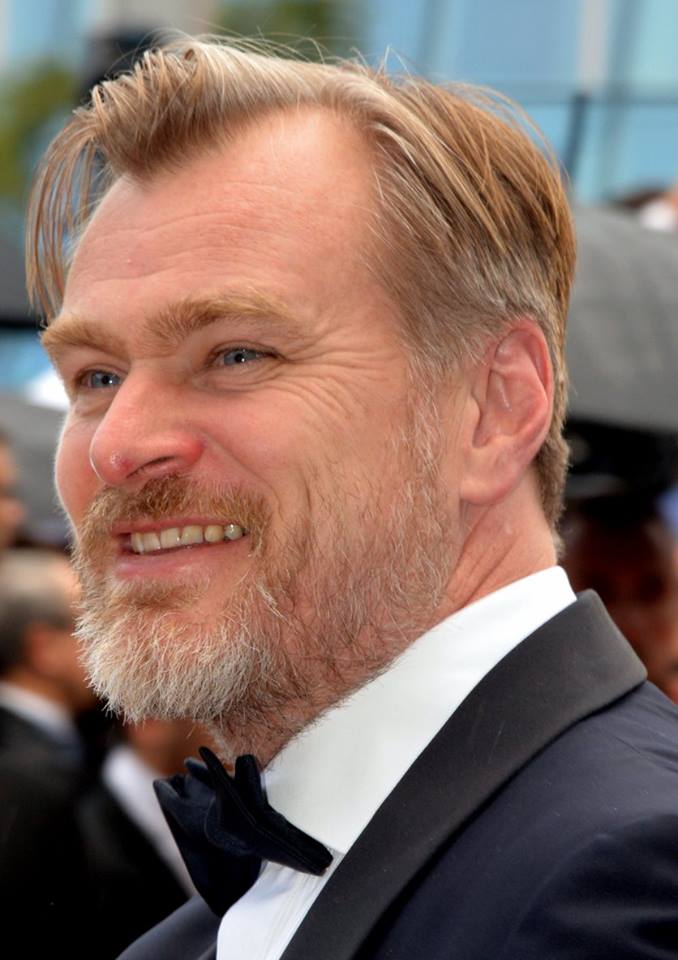
    Photo: Georges Biard, CC BY-SA 3.0, via Wikimedia Commons (https://commons.wikimedia.org/wiki/File:Christopher_Nolan_Cannes_2018.jpg)

  • Tobey Maguire Officiated His Ex-Wife’s Wedding

    It is not every day that a Hollywood ex-husband gets the best seat in the house at his ex-wife’s wedding — let alone the microphone. But Tobey Maguire is not your everyday ex-husband.

    Over the weekend, celebrity jewelry designer Jennifer Meyer married businessman Geoff Ogunlesi in an outdoor ceremony at the Four Seasons Resort Lanai in Hawaii, and the man who officiated the whole thing was Meyer’s ex-husband, Tobey Maguire. Photos from the ceremony show the Spider-Man star smiling broadly as he read from his papers, at one point holding them up and pointing a finger skyward while the couple shared a kiss under a canopy of flowers.

    The wedding came remarkably soon after Meyer and Maguire’s divorce was officially finalized, making the scene all the more extraordinary. The former couple split in October 2016 after nine years of marriage, but they have been famously warm about their breakup ever since. During a 2022 appearance on “World’s First Podcast,” Meyer called their separation “beautiful” and “the most beautiful experience” of her life, adding that she would “do anything in the world” for her ex-husband. “He is my brother. I love him to death,” she said.

    Their two children, daughter Ruby, 19, and son Otis, 17, took part in the ceremony, alongside Meyer and Ogunlesi’s newborn baby girl, whom they welcomed in May.

    The guest list read like a red carpet lineup. Leonardo DiCaprio attended with his girlfriend, model Vittoria Ceretti. Jeff Bezos arrived with his wife Lauren Sánchez. Courteney Cox, Kate Hudson and her fiancé Danny Fujikawa, and Rachel Zoe were also there to celebrate.

    In an industry where exes often become strangers — or worse — Maguire and Meyer’s story is something different. Two people who loved each other, raised two children together, let each other go with grace, and showed up for the next chapter with genuine joy. That is rarer than any blockbuster.

    Photo: gdcgraphics, CC BY-SA 2.0, via Wikimedia Commons (https://commons.wikimedia.org/wiki/File:Tobey_Maguire_2014.jpg)