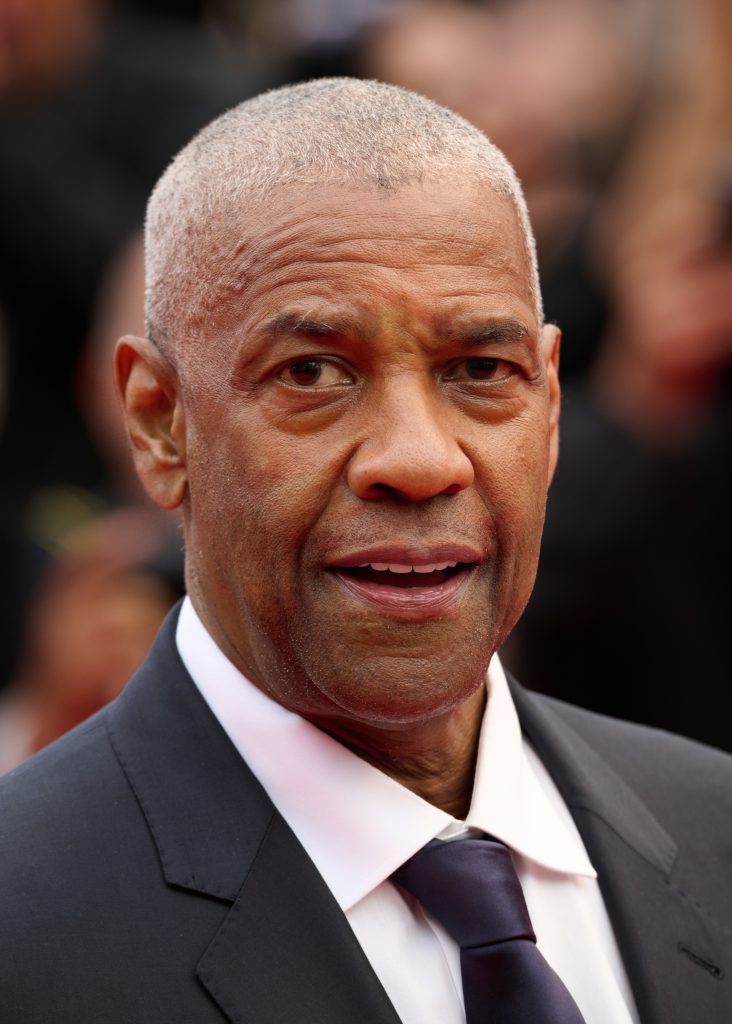
Photo: Gabriel Hutchinson / WikiPortraits / Wikimedia Commons, CC BY-SA 4.0
Denzel Washington’s career has lasted for more than four decades, but longevity alone does not explain his place in American film.
What distinguishes Washington is the way he built that longevity: through discipline, carefully chosen roles, and a willingness to move between leading-man stardom, demanding character work, theater, and directing.
His story is not simply about becoming famous. It is about what happens after success arrives — and the choices required to keep growing.
From Mount Vernon to the Stage
Denzel Hayes Washington Jr. was born on December 28, 1954, in Mount Vernon, New York.
His childhood was not always easy. After his parents divorced, Washington’s mother sent him to a private preparatory school, a decision he has described as an important turning point in his life.
He later attended Fordham University, where acting began to emerge as a serious direction for him.
Washington trained at the American Conservatory Theater in San Francisco before returning to New York to pursue professional acting.
Television provided his first major national breakthrough. Beginning in the early 1980s, he played Dr. Phillip Chandler on the medical drama St. Elsewhere.
But film would eventually make him one of the defining actors of his generation.
The Roles That Changed Everything
Washington’s rise was built through roles that demanded more than charisma.
His performance in Cry Freedom earned him an Academy Award nomination, while Glory brought him the Academy Award for Best Supporting Actor.
Then came Malcolm X.
Directed by Spike Lee, the 1992 film required Washington to portray Malcolm X across dramatically different stages of his life — from his troubled youth to his transformation into one of the most influential figures of the civil rights era.
The performance became one of Washington’s defining achievements and demonstrated the combination that would characterize much of his career: star presence joined with serious dramatic ambition.
He continued moving between genres rather than allowing one kind of role to define him.
Philadelphia, The Pelican Brief, Crimson Tide, Remember the Titans and other films showed his ability to carry major Hollywood productions while maintaining the intensity of a character actor.
Training Day and a Major Reinvention
Another important turning point arrived with Training Day in 2001.
Washington played Alonzo Harris, a corrupt Los Angeles narcotics detective — a darker and more morally disturbing character than audiences were accustomed to seeing him play.
The performance earned Washington the Academy Award for Best Actor.
It also illustrated something essential about his longevity.
Washington was willing to disrupt the image audiences already had of him.
Instead of protecting a familiar heroic persona, he took the risk of playing a man whose charisma concealed corruption and danger.
That willingness to change helped prevent his career from becoming predictable.
Beyond the Movie Star
Washington gradually expanded his work beyond acting.
He directed Antwone Fisher, The Great Debaters, and A Journal for Jordan, demonstrating an increasing interest in shaping stories from behind the camera.
Theater has remained another important part of his career.
His work on Broadway, particularly in August Wilson’s Fences, became a major chapter in his later career. Washington won a Tony Award for his stage performance in Fences and later directed and starred in the film adaptation.
The movie earned multiple Academy Award nominations, with Viola Davis winning Best Supporting Actress.
Washington has continued returning to the stage even after achieving the kind of Hollywood success that would allow him never to do so again.
That choice says something about the way he approaches his profession.
For Washington, acting has remained a craft to practice rather than simply a status to maintain.
The Discipline Behind the Career
Washington has often spoken publicly about preparation, faith, work, and discipline.
Those ideas are visible in the shape of his career.
He has moved between commercial films and demanding dramatic projects, between cinema and theater, and between acting and directing.
Not every project has been designed to reinvent him. But across decades, he has avoided becoming trapped by a single successful period of his career.
That may be one reason audiences who first encountered Washington in the 1980s can recognize the same actor admired by generations who discovered him decades later.
Why Denzel Washington Matters Now
Washington is now in his seventies, an age when many leading actors have already stepped away from their most demanding work.
He has done the opposite.
Recent years have continued to bring major film and stage roles, showing that his career is entering another chapter rather than simply looking backward at earlier achievements.
That makes Washington especially relevant to the idea at the heart of NotedLives: a remarkable life is rarely defined by one breakthrough.
His career contains many of them.
St. Elsewhere opened one door. Glory opened another. Malcolm X expanded what audiences expected from him. Training Day overturned those expectations again. Theater and directing created still more chapters.
More than forty years after his breakthrough, Denzel Washington’s story demonstrates that lasting success is not simply the ability to remain visible.
It is the ability to keep choosing work that gives you somewhere new to go.
Leave a Reply