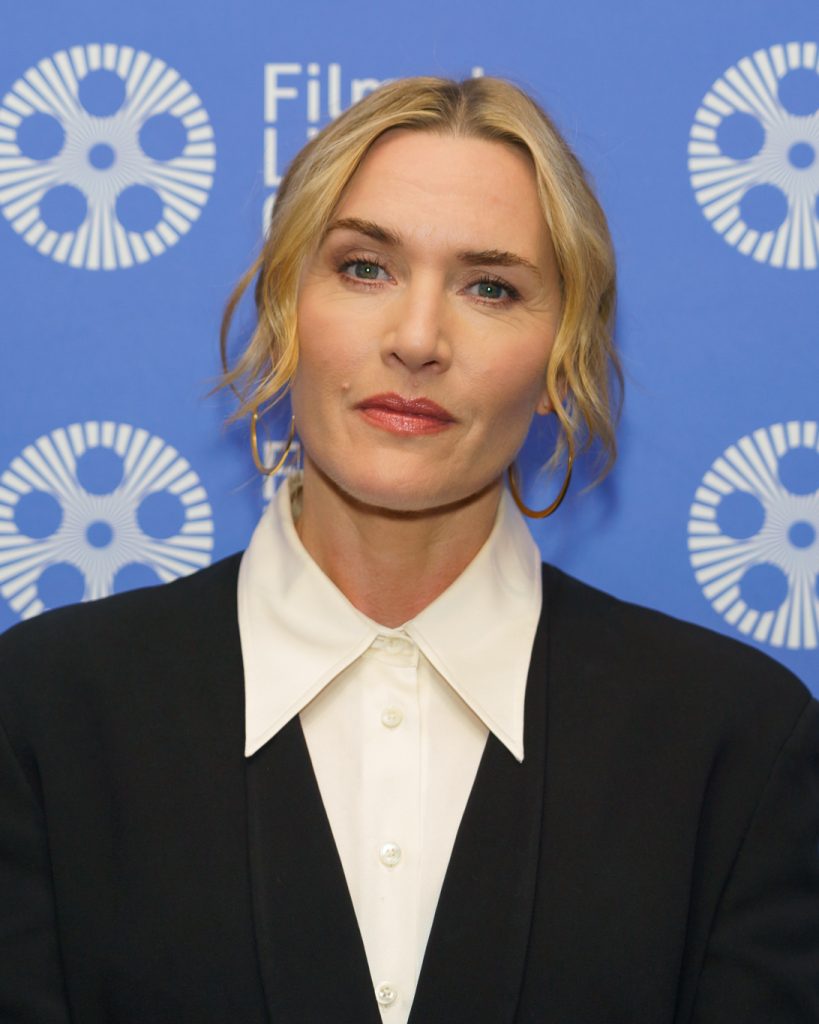
Photo: Colleen Sturtevant / Wikimedia Commons, CC BY-SA 4.0
Kate Winslet has spent most of her life in front of a camera. But the most interesting part of her story may be what happened after she became one of the most recognizable actresses in the world.
Born on October 5, 1975, in Reading, England, Winslet grew up in a family of actors and began performing at a young age. Her international breakthrough came with James Cameron’s Titanic in 1997. As Rose DeWitt Bukater, she became part of one of the most famous films in cinema history.
For many actors, a success that enormous can define everything that follows. Winslet chose a different path.
Choosing the Work Over the Fame
After Titanic, Winslet could have spent years chasing bigger blockbusters. Instead, she repeatedly chose complicated characters and smaller, riskier projects.
Films such as Eternal Sunshine of the Spotless Mind, Little Children, Revolutionary Road, and The Readerdemonstrated her willingness to play women who were flawed, difficult, vulnerable, and sometimes uncomfortable to watch.
That decision became one of the defining turning points of her career.
Rather than trying to remain the young star audiences remembered from Titanic, Winslet allowed her career — and the women she portrayed — to grow older with her.
Her performance in The Reader ultimately brought her the Academy Award for Best Actress.
A Second Act on Television
Decades into her career, Winslet found another defining role in HBO’s Mare of Easttown.
Playing Mare Sheehan, a weary detective in a small Pennsylvania community, Winslet deliberately avoided movie-star glamour. The performance depended instead on exhaustion, grief, humor, anger, and the ordinary details of a woman carrying too much responsibility.
The role introduced Winslet to another generation of viewers and reinforced something her career had been demonstrating for years: longevity does not necessarily come from protecting an image. Sometimes it comes from being willing to abandon one.
From Actor to Director
Winslet eventually made another major transition — moving behind the camera.
She made her feature directing debut with Goodbye June, a family drama in which she also starred and served as a producer. The film centers on adult siblings coming together as their mother’s health deteriorates.
For Winslet, directing represented more than simply adding another title to her résumé. After decades of working with filmmakers, crews, and actors, she was taking responsibility for shaping the entire story.
She also used the production to give several emerging filmmakers their first opportunities as department heads — an indication that her later career is increasingly about creating opportunities as well as taking them.
Why Kate Winslet Matters Now
On October 5, 2026, Kate Winslet turns 51.
That birthday offers an interesting moment to look at her career because her story is no longer simply about the young actress who became globally famous in Titanic.
It is about what she did with that fame afterward.
Winslet repeatedly chose reinvention over repetition. She moved from blockbuster celebrity to character-driven films, from film to prestige television, and eventually from performing someone else’s vision to directing her own.
More than three decades into her career, she remains relevant not because she stayed the same, but because she kept giving herself permission to change.
That may be the most enduring lesson in Kate Winslet’s story: a defining success does not have to become a destination. It can simply become the place from which the next chapter begins.
Leave a Reply