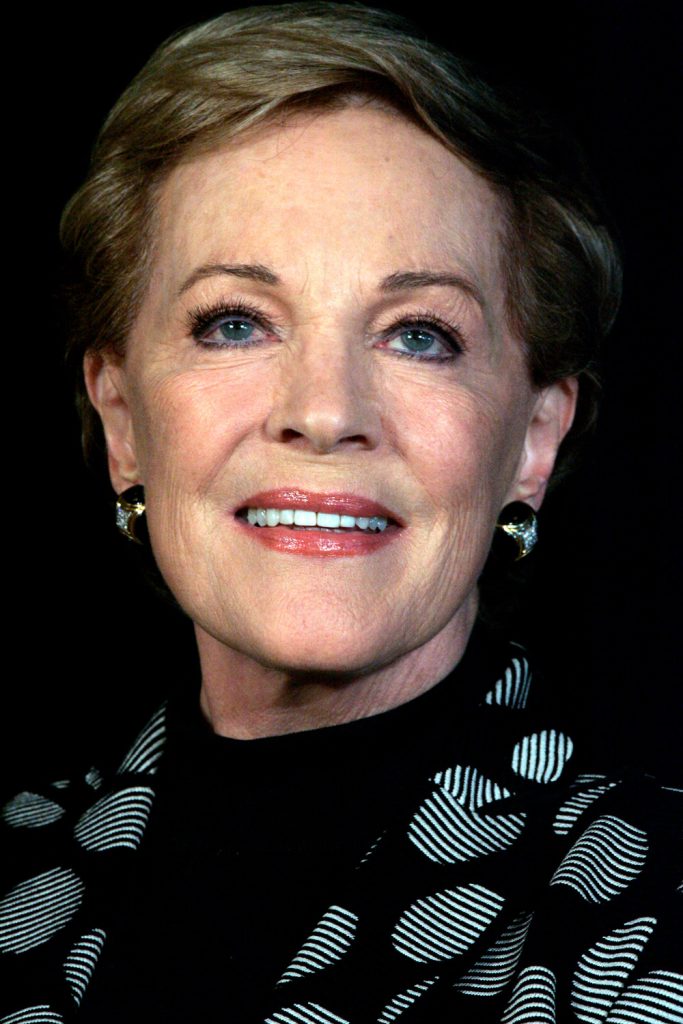
Photo: Eva Rinaldi / Wikimedia Commons, CC BY-SA 2.0
Julie Andrews has spent more than seven decades in the public eye, yet her career has never been defined by a single role.
For generations of moviegoers, she remains Maria von Trapp in The Sound of Music or the magical nanny at the center of Mary Poppins. Those performances made Andrews one of the most recognizable stars of her era. But the more revealing story is what happened when the voice that helped make her famous could no longer carry her career in the same way.
Born in England in 1935, Andrews showed an extraordinary singing ability while still a child. By her teenage years, she was already performing professionally, and Broadway soon opened another chapter. Roles in productions including My Fair Lady and Camelot established her as a major stage performer before Hollywood transformed her into an international star.
Her film breakthrough was remarkable. Mary Poppins brought her an Academy Award for Best Actress, while The Sound of Music became one of the defining films of the 1960s. Her clear soprano voice, precise delivery and seemingly effortless screen presence became inseparable from her public identity.
That made the next major turning point especially difficult.
After undergoing throat surgery in the late 1990s, Andrews experienced lasting damage to her singing voice. For a performer whose career had been built partly around an extraordinary vocal instrument, the change could have marked the end of her public life.
Instead, it became a reinvention.
Andrews increasingly embraced acting, voice work, writing and other creative projects. New generations encountered her through films such as The Princess Diaries and through her distinctive voice performances in animated productions. She also became an author, collaborating on children’s books and memoirs and finding another way to tell stories without depending on the singing voice that had once defined her.
That second act is an important part of why Andrews’ career has endured. Her story is not simply about preserving a celebrated past. It is about adapting when a central part of one’s professional identity suddenly changes.
At 91, Julie Andrews remains culturally relevant because several generations know her for different reasons. Some remember the Broadway performer. Others first saw Mary Poppins or The Sound of Music decades after their original releases. Younger audiences may know her from The Princess Diaries, animated films or her later voice work.
Her longevity offers a different definition of a timeless career: not remaining unchanged, but finding a way to keep moving when change becomes unavoidable.
That may ultimately be the most memorable part of Julie Andrews’ life arc. The voice made her famous, but her ability to reinvent herself helped make the career last.Julie Andrews has spent more than seven decades in the public eye, yet her career has never been defined by a single role.
For generations of moviegoers, she remains Maria von Trapp in The Sound of Music or the magical nanny at the center of Mary Poppins. Those performances made Andrews one of the most recognizable stars of her era. But the more revealing story is what happened when the voice that helped make her famous could no longer carry her career in the same way.
Born in England in 1935, Andrews showed an extraordinary singing ability while still a child. By her teenage years, she was already performing professionally, and Broadway soon opened another chapter. Roles in productions including My Fair Lady and Camelot established her as a major stage performer before Hollywood transformed her into an international star.
Her film breakthrough was remarkable. Mary Poppins brought her an Academy Award for Best Actress, while The Sound of Music became one of the defining films of the 1960s. Her clear soprano voice, precise delivery and seemingly effortless screen presence became inseparable from her public identity.
That made the next major turning point especially difficult.
After undergoing throat surgery in the late 1990s, Andrews experienced lasting damage to her singing voice. For a performer whose career had been built partly around an extraordinary vocal instrument, the change could have marked the end of her public life.
Instead, it became a reinvention.
Andrews increasingly embraced acting, voice work, writing and other creative projects. New generations encountered her through films such as The Princess Diaries and through her distinctive voice performances in animated productions. She also became an author, collaborating on children’s books and memoirs and finding another way to tell stories without depending on the singing voice that had once defined her.
That second act is an important part of why Andrews’ career has endured. Her story is not simply about preserving a celebrated past. It is about adapting when a central part of one’s professional identity suddenly changes.
At 91, Julie Andrews remains culturally relevant because several generations know her for different reasons. Some remember the Broadway performer. Others first saw Mary Poppins or The Sound of Music decades after their original releases. Younger audiences may know her from The Princess Diaries, animated films or her later voice work.
Her longevity offers a different definition of a timeless career: not remaining unchanged, but finding a way to keep moving when change becomes unavoidable.
That may ultimately be the most memorable part of Julie Andrews’ life arc. The voice made her famous, but her ability to reinvent herself helped make the career last.
Leave a Reply