Blog

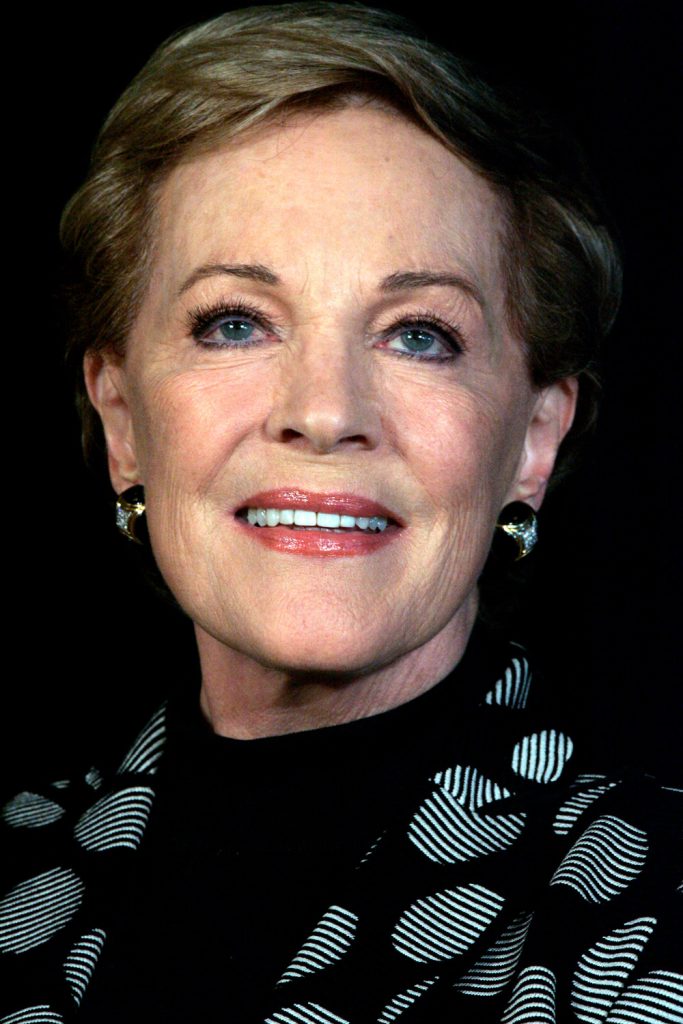
  • Julie Andrews at 91: The Reinvention That Made Her Career Timeless

    binary comment

    Photo: Eva Rinaldi / Wikimedia Commons, CC BY-SA 2.0

    Julie Andrews has spent more than seven decades in the public eye, yet her career has never been defined by a single role.

    For generations of moviegoers, she remains Maria von Trapp in The Sound of Music or the magical nanny at the center of Mary Poppins. Those performances made Andrews one of the most recognizable stars of her era. But the more revealing story is what happened when the voice that helped make her famous could no longer carry her career in the same way.

    Born in England in 1935, Andrews showed an extraordinary singing ability while still a child. By her teenage years, she was already performing professionally, and Broadway soon opened another chapter. Roles in productions including My Fair Lady and Camelot established her as a major stage performer before Hollywood transformed her into an international star.

    Her film breakthrough was remarkable. Mary Poppins brought her an Academy Award for Best Actress, while The Sound of Music became one of the defining films of the 1960s. Her clear soprano voice, precise delivery and seemingly effortless screen presence became inseparable from her public identity.

    That made the next major turning point especially difficult.

    After undergoing throat surgery in the late 1990s, Andrews experienced lasting damage to her singing voice. For a performer whose career had been built partly around an extraordinary vocal instrument, the change could have marked the end of her public life.

    Instead, it became a reinvention.

    Andrews increasingly embraced acting, voice work, writing and other creative projects. New generations encountered her through films such as The Princess Diaries and through her distinctive voice performances in animated productions. She also became an author, collaborating on children’s books and memoirs and finding another way to tell stories without depending on the singing voice that had once defined her.

    That second act is an important part of why Andrews’ career has endured. Her story is not simply about preserving a celebrated past. It is about adapting when a central part of one’s professional identity suddenly changes.

    At 91, Julie Andrews remains culturally relevant because several generations know her for different reasons. Some remember the Broadway performer. Others first saw Mary Poppins or The Sound of Music decades after their original releases. Younger audiences may know her from The Princess Diaries, animated films or her later voice work.

    Her longevity offers a different definition of a timeless career: not remaining unchanged, but finding a way to keep moving when change becomes unavoidable.

    That may ultimately be the most memorable part of Julie Andrews’ life arc. The voice made her famous, but her ability to reinvent herself helped make the career last.Julie Andrews has spent more than seven decades in the public eye, yet her career has never been defined by a single role.

    For generations of moviegoers, she remains Maria von Trapp in The Sound of Music or the magical nanny at the center of Mary Poppins. Those performances made Andrews one of the most recognizable stars of her era. But the more revealing story is what happened when the voice that helped make her famous could no longer carry her career in the same way.

    Born in England in 1935, Andrews showed an extraordinary singing ability while still a child. By her teenage years, she was already performing professionally, and Broadway soon opened another chapter. Roles in productions including My Fair Lady and Camelot established her as a major stage performer before Hollywood transformed her into an international star.

    Her film breakthrough was remarkable. Mary Poppins brought her an Academy Award for Best Actress, while The Sound of Music became one of the defining films of the 1960s. Her clear soprano voice, precise delivery and seemingly effortless screen presence became inseparable from her public identity.

    That made the next major turning point especially difficult.

    After undergoing throat surgery in the late 1990s, Andrews experienced lasting damage to her singing voice. For a performer whose career had been built partly around an extraordinary vocal instrument, the change could have marked the end of her public life.

    Instead, it became a reinvention.

    Andrews increasingly embraced acting, voice work, writing and other creative projects. New generations encountered her through films such as The Princess Diaries and through her distinctive voice performances in animated productions. She also became an author, collaborating on children’s books and memoirs and finding another way to tell stories without depending on the singing voice that had once defined her.

    That second act is an important part of why Andrews’ career has endured. Her story is not simply about preserving a celebrated past. It is about adapting when a central part of one’s professional identity suddenly changes.

    At 91, Julie Andrews remains culturally relevant because several generations know her for different reasons. Some remember the Broadway performer. Others first saw Mary Poppins or The Sound of Music decades after their original releases. Younger audiences may know her from The Princess Diaries, animated films or her later voice work.

    Her longevity offers a different definition of a timeless career: not remaining unchanged, but finding a way to keep moving when change becomes unavoidable.

    That may ultimately be the most memorable part of Julie Andrews’ life arc. The voice made her famous, but her ability to reinvent herself helped make the career last.


  • Ke Huy Quan’s Long Road Back: From Child Star to Oscar Winner

    Photo: Super Festivals from Ft. Lauderdale, USA, CC BY 2.0, via Wikimedia Commons.

    For many actors, an Oscar represents the peak of a career that has been building steadily for years. For Ke Huy Quan, it meant something different.

    It marked an extraordinary return.

    Long before he won an Academy Award, Quan was one of Hollywood’s most recognizable child actors. Then the roles largely disappeared. For decades, he worked away from the spotlight and wondered whether acting had simply become part of his past.

    His eventual comeback is not just a Hollywood success story. It is a story about what can happen when an opportunity arrives long after someone thought the door had closed.

    A Child Star in Two Hollywood Classics

    Quan was born in Vietnam in 1971 and came to the United States as a refugee with his family.

    His life changed dramatically when he was still a child.

    At around 12 years old, he was cast as Short Round opposite Harrison Ford in Indiana Jones and the Temple of Doom. Soon afterward, he played Data in The Goonies.

    Those two films gave Quan something most young actors could only dream about: recognizable roles in major Hollywood productions.

    But early success did not lead to a smooth adult acting career.

    When the Roles Disappeared

    As Quan grew older, meaningful acting opportunities became increasingly difficult to find.

    He has spoken publicly about the limited opportunities available to Asian actors at the time. Eventually, he stepped away from acting.

    But he did not leave filmmaking.

    Quan studied film and later worked behind the camera, including jobs in stunt coordination and assistant directing. He remained close to the industry even as audiences stopped seeing him on screen.

    Years became decades.

    For many people, that might have been the end of the story.

    The Movie That Made Him Want to Act Again

    A surprising turning point came when Quan watched Crazy Rich Asians.

    Seeing a major Hollywood film centered on Asian characters made him reconsider something he had largely given up: acting.

    He decided to try again.

    That decision eventually led him to audition for Everything Everywhere All at Once.

    The role of Waymond Wang required humor, tenderness, physical comedy and emotional depth. It also gave Quan something he had waited decades to find—a character worthy of returning for.

    The comeback was underway.

    An Oscar After Decades Away

    Everything Everywhere All at Once became a critical and commercial success, and Quan’s performance drew widespread acclaim.

    In March 2023, he won the Academy Award for Best Supporting Actor.

    Standing on the Oscar stage, the former child actor who had spent decades wondering whether he would ever get another meaningful role had reached one of the highest points in the profession.

    The award mattered, but the road to it mattered even more.

    Quan’s story did not follow the familiar Hollywood pattern of discovery, rising fame and continuous success.

    There was an enormous gap in the middle.

    That gap is what makes the comeback remarkable.

    Why Ke Huy Quan’s Story Still Matters

    Quan has continued acting rather than treating his Oscar as the ending of the story. His later work has included television and films such as Loki and Love Hurts.

    He has also reflected publicly on the years when acting opportunities were scarce and on the uncertainty that accompanied his decision to return.

    That makes his career especially fitting for NotedLives.

    The most important moment in his story may not be the day he became a child star or even the night he won an Oscar.

    It may be the moment, decades later, when he decided to try again.

    Careers rarely move in perfectly straight lines. Opportunities disappear. Industries change. People change with them.

    Ke Huy Quan’s journey shows that a long absence does not necessarily mean the story is over.

    Sometimes the next chapter begins after what looked like the ending.

  • Kieran Culkin at 44: From Child Actor to Oscar Winner, a Career That Took Its Time

    Photo: Gage Skidmore, CC BY-SA 3.0, via Wikimedia Commons.

    Kieran Culkin turns 44 on September 30, 2026, and his career tells a story that feels increasingly rare in Hollywood: success did not arrive all at once.

    He appeared on screen as a child, long before audiences knew him as Roman Roy on Succession or Benji Kaplan in A Real Pain. His early credits included Home Alone, alongside his older brother Macaulay Culkin, and Father of the Bride.

    But Kieran’s path was very different from the sudden childhood superstardom that surrounded his family.

    Growing Up on Screen

    Through the 1990s and early 2000s, Culkin continued acting without becoming the kind of overnight star Hollywood often celebrates.

    One important turning point came with Igby Goes Down in 2002. The film gave him a chance to show the sharp, unpredictable screen presence that would later become one of his strengths.

    Still, his biggest breakthrough was years away.

    Culkin kept working across film, television and theater, building a career gradually rather than following a straight line toward fame.

    Roman Roy Changed Everything

    That changed dramatically with HBO’s Succession.

    As Roman Roy, Culkin played a character who could be funny, cruel, insecure and vulnerable—sometimes within the same scene. What initially looked like comic relief developed into one of the show’s most complicated performances.

    The role eventually earned Culkin the Emmy Award for Outstanding Lead Actor in a Drama Series.

    After decades in the business, he was no longer simply a familiar face or “Macaulay Culkin’s younger brother.” He had become one of the defining actors of one of television’s most acclaimed dramas.

    From Emmy Winner to Oscar Winner

    Then came another turning point.

    In Jesse Eisenberg’s A Real Pain, Culkin played Benji Kaplan, a charming but emotionally troubled man traveling through Poland with his cousin.

    The performance brought Culkin the Academy Award for Best Supporting Actor in 2025.

    The timing made the achievement especially striking. Culkin had first appeared in movies as a child, yet his greatest recognition arrived more than three decades later.

    His story became less about early fame and more about longevity.

    Why Kieran Culkin Matters Now

    At 44, Culkin’s career is still expanding.

    He is set to appear as Caesar Flickerman in The Hunger Games: Sunrise on the Reaping, scheduled for release in November 2026. He has also been working on filmmaker Nancy Meyers’ upcoming movie, bringing him back together with a filmmaker connected to Father of the Bride 35 years after he appeared in that film as a child.

    That full-circle moment says something important about his career.

    Kieran Culkin did not disappear after childhood acting, and he did not reach his defining moment at 20 or even 30. He kept working until the right roles finally revealed what he could do.

    On his 44th birthday, his journey is a reminder that a career does not have to peak early to matter.

    Sometimes the most interesting chapter arrives after everyone assumes they already know your story.

  • Ian McShane Turns 84: How ‘Deadwood’ Led to a Remarkable Late-Career Reinvention

    Photo: Raph_PH / Wikimedia Commons / CC BY 2.0

    Ian McShane at 84: The Career That Found a Powerful Second Act

    Ian McShane turns 84 on September 29, 2026, marking another milestone in a career that has stretched across more than six decades.

    For many actors, the role that defines a career arrives early. McShane’s story unfolded differently. After decades of steady work in British television and film, one character transformed how a new generation saw him: Al Swearengen in HBO’s Deadwood.

    A Career Built Over Decades

    Born in Blackburn, England, in 1942, McShane began acting professionally in the early 1960s.

    Over the following decades, he built an extensive career across film, television and theater. British audiences knew him particularly well from the television series Lovejoy, in which he played the charming antiques dealer at the center of the show.

    By that point, McShane was already an established actor with decades of experience behind him.

    But one of the biggest turning points of his career was still ahead.

    The Deadwood Transformation

    In 2004, McShane appeared as Al Swearengen in HBO’s Deadwood.

    The complicated, intimidating saloon owner became one of the defining characters of the acclaimed Western drama. McShane’s performance earned him the 2005 Golden Globe for Best Actor in a Television Series – Drama.

    Deadwood did more than add another successful role to his résumé. It changed the kinds of characters audiences associated with him and introduced his work to viewers who had never seen the earlier decades of his career.

    A New Generation Finds Ian McShane

    Another reinvention followed with the John Wick films.

    Beginning with John Wick in 2014, McShane played Winston, the sophisticated manager of the Continental Hotel. The role placed him inside a major modern action franchise and brought him to yet another generation of viewers.

    There is something unusual about that trajectory.

    McShane did not simply remain famous because audiences remembered his earlier work. New roles kept renewing his career.

    Why Ian McShane Matters at 84

    McShane’s career is a reminder that a defining chapter does not necessarily arrive at the beginning.

    He had already spent roughly four decades acting before Deadwood transformed his international profile. Then, in his seventies and beyond, the John Wick franchise gave him another highly recognizable role.

    That makes his story especially fitting for NotedLives.

    At 84, Ian McShane represents a career built not around one moment of early success, but around longevity, adaptation and the ability to remain compelling as both the industry and the audience changed around him.

    Sometimes a second act can become just as important as the first.

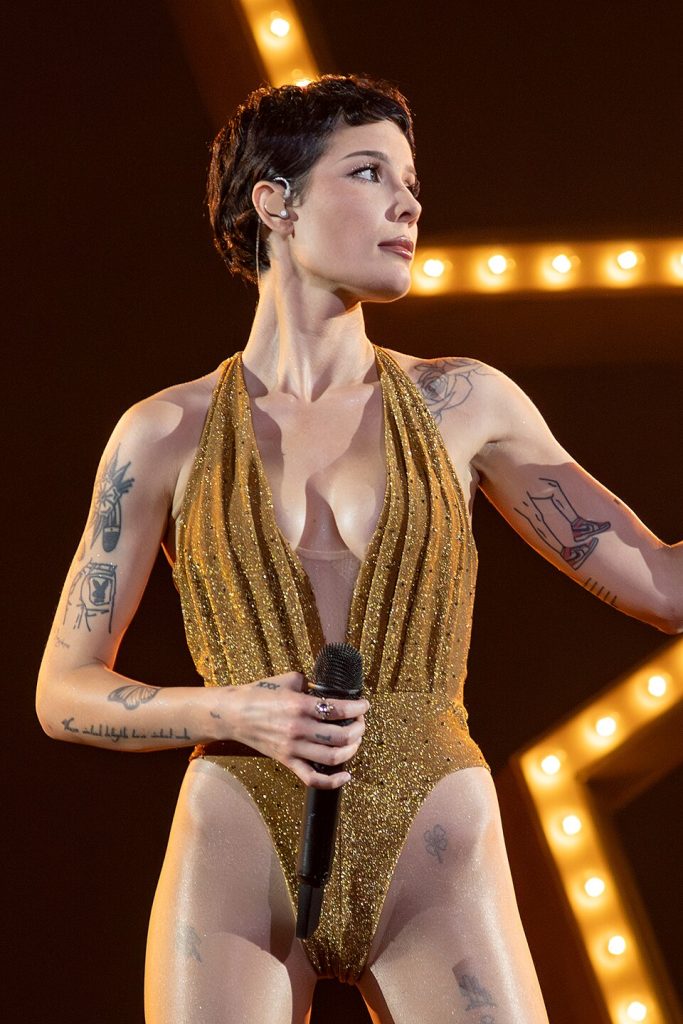
  • Halsey Turns 32: How Reinvention Became the Story of Her Career

    Photo: Justin Higuchi / Wikimedia Commons / CC BY 2.0

    Halsey at 32: A Career Defined by Reinvention

    Halsey turns 32 on September 29, 2026, reaching the milestone after more than a decade of repeatedly reshaping both her music and her public identity.

    Born Ashley Nicolette Frangipane in 1994, Halsey emerged in the mid-2010s as part of a generation of artists whose careers were accelerated by the internet. Her 2015 debut album, BADLANDS, established a distinctive world built around alternative pop, electronic production and highly personal songwriting.

    But Halsey did not remain inside that first version of herself for long.

    From Pop Breakthrough to Constant Change

    The albums that followed showed an artist willing to move between sounds rather than settle into one formula. Hopeless Fountain Kingdom expanded her pop reach, while Manic pushed further into autobiographical songwriting.

    Then came another sharp turn.

    On 2021’s If I Can’t Have Love, I Want Power, Halsey worked with Trent Reznor and Atticus Ross on a darker, heavier record that drew from rock and industrial music. It demonstrated that the commercial success of her earlier work had not eliminated her appetite for creative risk.

    A More Personal Turning Point

    That willingness to change became even more significant with The Great Impersonator.

    Released in 2024, the album arrived after Halsey publicly discussed serious health challenges. Instead of separating those experiences from her art, she made questions about mortality, identity and the passage of time central to the project.

    The concept also allowed her to imagine herself through different musical eras and artistic influences. Reinvention was no longer simply a change in sound. It became the subject of the work itself.

    Returning to Where It Started

    By 2025, Halsey had another reason to look backward: BADLANDS turned 10.

    The anniversary led to the Back to Badlands tour, which continued internationally into 2026. Revisiting the album that introduced her to a much larger audience created an unusual contrast. The artist returning to those songs was no longer the 20-year-old who recorded them.

    That distance is part of what makes Halsey’s career interesting now.

    Why Halsey Matters at 32

    Many pop careers depend on establishing a recognizable identity and protecting it. Halsey’s path has often worked differently.

    She has moved among pop, alternative music and rock; turned intensely personal experiences into public art; and repeatedly reconsidered what a “Halsey” record is supposed to sound like.

    At 32, the most consistent part of her career may be the willingness to become something different.

    Her story is no longer simply about the young singer who broke through with BADLANDS. It is about what happens after that breakthrough — when an artist keeps questioning the identity that made her famous in the first place.

    That continuing reinvention is why Halsey remains worth watching as she begins another year.

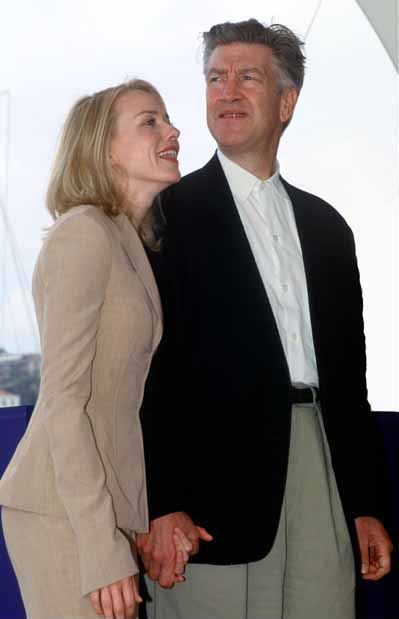
  • Naomi Watts at 58: The Decade of Rejection Before Mulholland Drive Changed Everything

    Photo: Nikita~commonswiki / Wikimedia Commons / CC BY-SA 2.5

    At 58, Naomi Watts can look back on a career that includes acclaimed films, major awards recognition and decades of work in Hollywood.

    But the most revealing part of her story may be how close she came to giving up before any of it happened.

    Before Mulholland Drive transformed her career, Watts spent years struggling to find steady acting work. The long period of rejection makes her eventual breakthrough more than a Hollywood success story. It is a story about what can happen when a career arrives much later than expected.

    Years of Auditions Without a Breakthrough

    Born in England and raised partly in Australia, Watts began acting professionally long before American audiences knew her name.

    She appeared in Australian film and television projects and eventually moved to Los Angeles hoping to build a career in Hollywood.

    Success did not come quickly.

    Watts has spoken about spending roughly a decade struggling professionally, moving from audition to audition while watching opportunities disappear. At times, the financial pressure became severe enough that simply paying rent was difficult.

    For an actor who would later receive two Academy Award nominations, those years are an important part of the story.

    They show just how little her later success was guaranteed.

    The Role That Changed Everything

    The turning point arrived with David Lynch’s Mulholland Drive.

    Released in 2001, the film gave Watts the kind of complex role she had spent years trying to find. Her performance as Betty Elms — and the darker identity at the center of the film — suddenly demonstrated a range that Hollywood had largely overlooked.

    Watts was no longer simply another actress waiting for an opportunity.

    She had become someone filmmakers wanted to watch.

    The breakthrough led to major roles in films including The Ring, 21 Grams, King Kong and The Impossible.

    Her performances in 21 Grams and The Impossible eventually earned her Academy Award nominations for Best Actress.

    Success That Arrived After the Struggle

    What makes Watts’s career unusual is not simply that she became successful.

    It is when it happened.

    Many actors become famous when they are very young and spend the rest of their careers trying to sustain that first burst of attention. Watts followed almost the opposite path.

    Years of uncertainty came first.

    Recognition came later.

    That experience also gave her career a different shape. Instead of being permanently associated with one youthful role, Watts built a reputation through complicated adult characters across drama, thriller, horror and television.

    Why Naomi Watts Matters Now

    Her story remains relevant in 2026.

    Nearly 25 years after Mulholland Drive changed the direction of her career, Watts is still taking on new work while receiving recognition for the body of work she has already created.

    In September 2026, the San Sebastián International Film Festival honored her with its Donostia Award, recognizing a career that now stretches across nearly four decades.

    She has also continued moving into new roles rather than simply revisiting past successes.

    That makes her 58th birthday more than another celebrity milestone.

    The Turning Point Was Worth Waiting For

    Looking at Naomi Watts’s career today, it is easy to see the acclaimed performances and awards.

    It is harder to see the years when none of that existed yet.

    Those years may be precisely what makes her story worth remembering.

    Mulholland Drive did not begin Naomi Watts’s career. It arrived after years of rejection, uncertainty and persistence.

    At 58, her life offers a reminder that the moment that changes a career does not always arrive at the beginning.

    Sometimes it arrives after almost everyone — including the person waiting for it — has begun to wonder whether it will arrive at all.

  • Hilary Duff Turns 39: How the Lizzie McGuire Star Built a Second Act on Her Own Terms

    Photo: TraceAdam / Wikimedia Commons / CC BY-SA 4.0

    Growing Up as Lizzie McGuire

    Duff became one of the defining young stars of the early 2000s through Disney Channel’s Lizzie McGuire. The character was funny, awkward and uncertain — qualities that made her feel unusually relatable to young viewers.

    The success quickly expanded beyond television. The Lizzie McGuire Movie brought the character to the big screen, while Duff moved into a music career of her own. Her 2003 album Metamorphosis helped establish her as a pop star rather than simply an actress who happened to sing.

    Movies including A Cinderella Story and Cheaper by the Dozen further cemented her place in early-2000s pop culture.

    But childhood fame creates a difficult question: What happens when the audience grows up?

    The Harder Transition: Becoming More Than a Former Disney Star

    For Duff, adulthood required something different from simply staying famous.

    Rather than trying endlessly to recreate the teenager audiences remembered, she gradually built a career that could change with her. She took on adult television roles, most notably playing Kelsey Peters on Younger, and later starred in How I Met Your Father.

    That evolution became one of the most interesting parts of her career. Duff did not erase Lizzie McGuire from her history, but she also did not allow one enormously successful childhood character to become the final definition of her work.

    Her personal life changed as well. Duff became a mother and eventually built a family with musician and producer Matthew Koma. Today she is a mother of four, balancing family life with a career that began when she was still a child.

    A Return to Music — On Different Terms

    Now another chapter is unfolding.

    In 2026, Duff returned to performing in a major way after years in which music was no longer the center of her public career. Her Lucky Me Tour has brought her back to large stages, including sold-out performances at Madison Square Garden.

    There is something particularly fitting about that return.

    Duff is not attempting to become the teenage pop star she once was. She is returning as an adult performer with decades of experience, a family, and an audience that has grown older alongside her.

    Even traces of Lizzie McGuire continue to follow her in unexpected ways. In September, Duff’s five-year-old daughter Mae drew attention for wearing space buns reminiscent of the hairstyle associated with her mother’s famous Disney character.

    The past has not disappeared. It has simply become part of a much larger story.

    Why Hilary Duff Still Matters at 39

    Celebrity careers are often described by their biggest moment. For Duff, that would make it easy to stop the story somewhere around Lizzie McGuire and the height of early-2000s teen pop culture.

    But her life after that moment may be more revealing.

    She moved from child actor to pop singer, from teen idol to adult television actress, and from a performer closely identified with one character to a mother and entertainer able to revisit music decades later.

    That is why her 39th birthday feels less like a nostalgic milestone and more like another turning point.

    Hilary Duff’s story is no longer simply about the girl millions of viewers grew up watching.

    It is about what happened after she grew up, too.For a generation that grew up watching Disney Channel, Hilary Duff will always carry a little bit of Lizzie McGuire with her. But as Duff turns 39 on September 28, 2026, her story looks increasingly less like one of childhood fame and more like a lesson in reinvention.

    Growing Up as Lizzie McGuire

    Duff became one of the defining young stars of the early 2000s through Disney Channel’s Lizzie McGuire. The character was funny, awkward and uncertain — qualities that made her feel unusually relatable to young viewers.

    The success quickly expanded beyond television. The Lizzie McGuire Movie brought the character to the big screen, while Duff moved into a music career of her own. Her 2003 album Metamorphosis helped establish her as a pop star rather than simply an actress who happened to sing.

    Movies including A Cinderella Story and Cheaper by the Dozen further cemented her place in early-2000s pop culture.

    But childhood fame creates a difficult question: What happens when the audience grows up?

    The Harder Transition: Becoming More Than a Former Disney Star

    For Duff, adulthood required something different from simply staying famous.

    Rather than trying endlessly to recreate the teenager audiences remembered, she gradually built a career that could change with her. She took on adult television roles, most notably playing Kelsey Peters on Younger, and later starred in How I Met Your Father.

    That evolution became one of the most interesting parts of her career. Duff did not erase Lizzie McGuire from her history, but she also did not allow one enormously successful childhood character to become the final definition of her work.

    Her personal life changed as well. Duff became a mother and eventually built a family with musician and producer Matthew Koma. Today she is a mother of four, balancing family life with a career that began when she was still a child.

    A Return to Music — On Different Terms

    Now another chapter is unfolding.

    In 2026, Duff returned to performing in a major way after years in which music was no longer the center of her public career. Her Lucky Me Tour has brought her back to large stages, including sold-out performances at Madison Square Garden.

    There is something particularly fitting about that return.

    Duff is not attempting to become the teenage pop star she once was. She is returning as an adult performer with decades of experience, a family, and an audience that has grown older alongside her.

    Even traces of Lizzie McGuire continue to follow her in unexpected ways. In September, Duff’s five-year-old daughter Mae drew attention for wearing space buns reminiscent of the hairstyle associated with her mother’s famous Disney character.

    The past has not disappeared. It has simply become part of a much larger story.

    Why Hilary Duff Still Matters at 39

    Celebrity careers are often described by their biggest moment. For Duff, that would make it easy to stop the story somewhere around Lizzie McGuire and the height of early-2000s teen pop culture.

    But her life after that moment may be more revealing.

    She moved from child actor to pop singer, from teen idol to adult television actress, and from a performer closely identified with one character to a mother and entertainer able to revisit music decades later.

    That is why her 39th birthday feels less like a nostalgic milestone and more like another turning point.

    Hilary Duff’s story is no longer simply about the girl millions of viewers grew up watching.

    It is about what happened after she grew up, too.

    Photo: TraceAdam / Wikimedia Commons / CC BY-SA 4.0

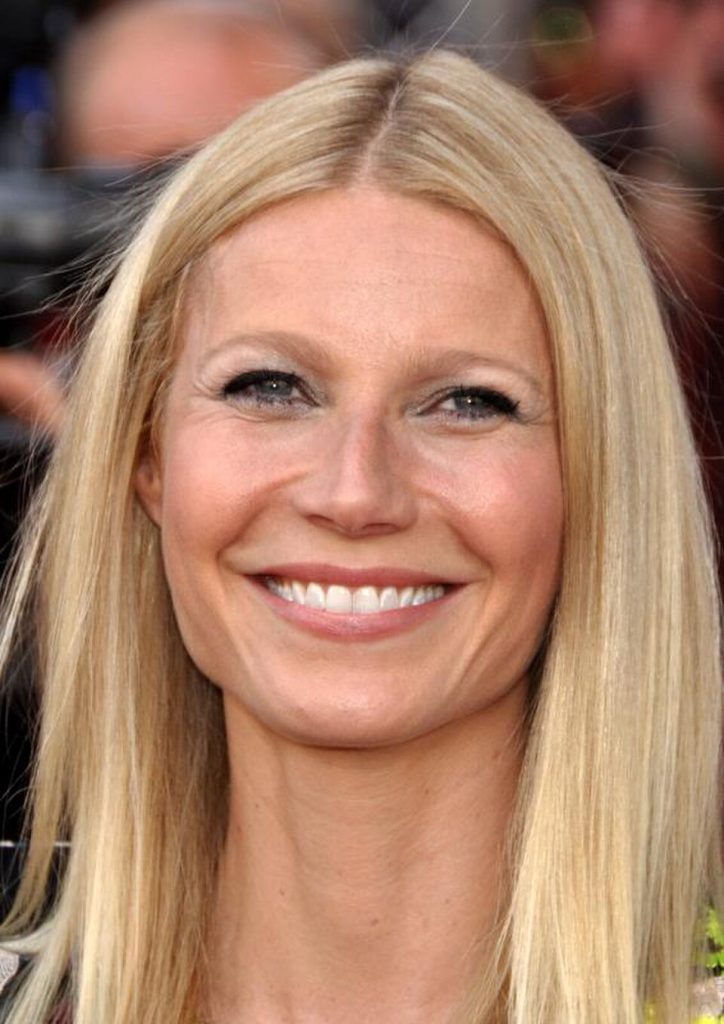
  • Gwyneth Paltrow at 54: How an Oscar-Winning Actress Reinvented Her Life Beyond Hollywood

    Photo: Georges Biard / Wikimedia Commons — CC BY-SA 3.0

    Gwyneth Paltrow turns 54 on September 27, 2026, marking another chapter in a career that has moved far beyond Hollywood. Once known primarily as an Academy Award-winning actress, Paltrow has spent years reshaping her public identity as an entrepreneur and lifestyle figure.

    Her story is not simply one of movie stardom. It is a story of reinvention — and of what can happen when someone at the height of one career decides to build another.

    From Hollywood Royalty to Leading Actress

    Born in Los Angeles on September 27, 1972, Paltrow grew up close to the entertainment industry. Her father, Bruce Paltrow, was a television and film producer and director, while her mother, Blythe Danner, built a distinguished acting career of her own.

    Paltrow emerged as a major Hollywood star during the 1990s. Her performance in Shakespeare in Love became a defining moment, earning her the Academy Award for Best Actress.

    She continued appearing in major films and later reached another generation of moviegoers as Pepper Potts in Marvel’s Iron Man films.

    A Turning Point Beyond Acting

    But one of the most interesting chapters of Paltrow’s life began away from the movie set.

    In 2008, she launched Goop, initially as a newsletter sharing recommendations about food, travel and wellness. What began as a relatively small personal project eventually developed into a broader lifestyle business.

    The move represented something larger than a celebrity side project. Paltrow was gradually building an identity that did not depend entirely on acting roles.

    That transition was not always smooth. Goop’s products and wellness claims have sometimes generated controversy and criticism. Yet the company also demonstrated Paltrow’s willingness to move into an entirely different arena and attach her own name and reputation to it.

    Reinventing a Public Life

    For many performers, success creates pressure to keep repeating what already worked. Paltrow took a different path.

    Rather

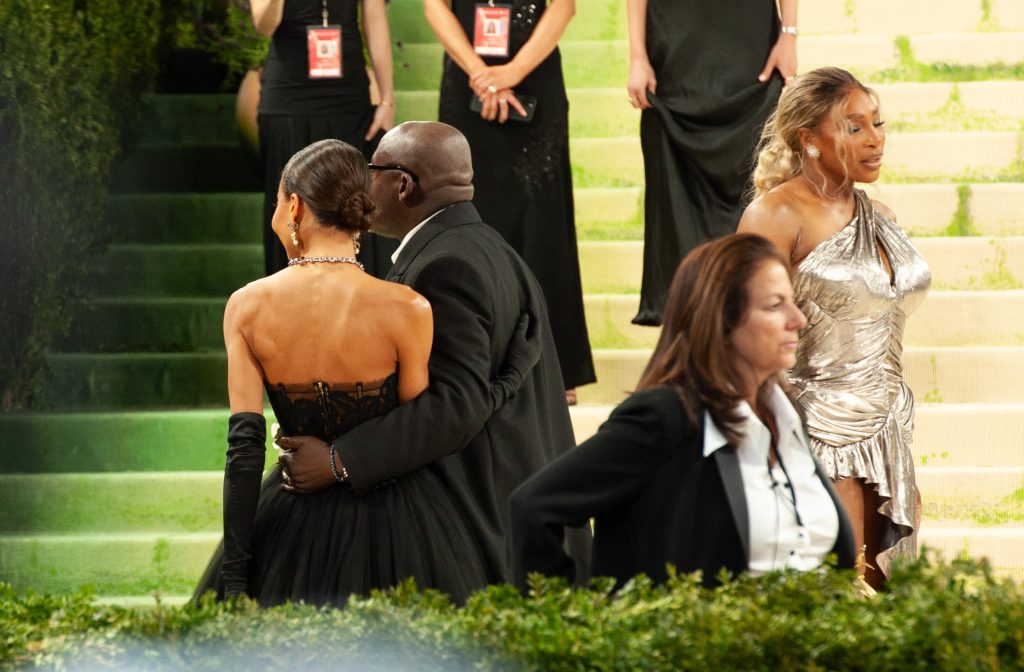
  • Serena Williams Turns 45: Why Her Return to Tennis Is About More Than a Comeback

    Photo: SWinxy / Wikimedia Commons / CC BY 4.0

    At 45, Serena Williams Is Still Redefining What Comes Next

    For most athletes, a comeback is measured in wins, rankings, and trophies. For Serena Williams, returning to tennis at this stage of her life carries a different meaning.

    Williams turns 45 on September 26, 2026, more than two decades after she became one of the defining figures in modern tennis. Her career has already included 23 Grand Slam singles titles, Olympic gold medals, and years at the top of the sport.

    But the Serena Williams story did not simply end when she stepped away from professional tennis in 2022.

    A Life Beyond the Baseline

    When Williams announced her departure from professional tennis, she deliberately avoided describing it simply as retirement. She wrote about “evolving away from tennis” and moving toward other things that mattered to her.

    That distinction now seems important.

    Away from regular competition, Williams devoted more time to her family and expanded her work as an entrepreneur and investor. She and her husband, Alexis Ohanian, are raising their daughters, Olympia and Adira, while Williams has continued building a business identity far beyond the tennis court.

    Through Serena Ventures, she has backed companies and entrepreneurs, and she has also developed projects including her WYN Beauty brand.

    The competitive athlete did not disappear. Her arena simply became larger.

    The Return That Few Expected

    Then came another turn in the story.

    In 2026, Williams returned to professional competition after nearly four years away. The comeback immediately attracted attention, but Williams has suggested that this chapter should not necessarily be viewed through the same lens as the first part of her career.

    She no longer needs another trophy to establish her place in tennis history.

    That changes the meaning of every match.

    Instead of chasing a legacy that has already been secured, Williams can compete because she still enjoys the sport that shaped much of her life.

    More Than a Comeback

    That may be what makes Serena Williams especially interesting at 45.

    Her story is no longer simply about whether an extraordinary athlete can win again. It is about what happens when someone who reached the highest level in one field discovers that life does not have to be divided neatly into a career, retirement, and everything afterward.

    Williams can be a mother, investor, entrepreneur and athlete without treating those identities as mutually exclusive.

    Her return also gives her daughters something unusual to witness firsthand. They are not simply hearing stories or watching old recordings of what their mother once accomplished. They can see her choosing to challenge herself again.

    A Different Kind of Victory

    There will always be statistics attached to Serena Williams. Twenty-three Grand Slam singles championships alone guarantee that.

    But numbers cannot fully explain why her story continues to attract attention.

    The more interesting question at 45 may be what Serena Williams still wants to discover.

    For much of her career, the world watched to see whether she would win the next match or championship. Today, the question is different: What does one of the greatest competitors of her generation choose to do when she no longer has anything left to prove?

    Perhaps that is why this return feels like more than a comeback.

    It is another reinvention — and another reminder that a remarkable life does not have to follow a predictable timeline.

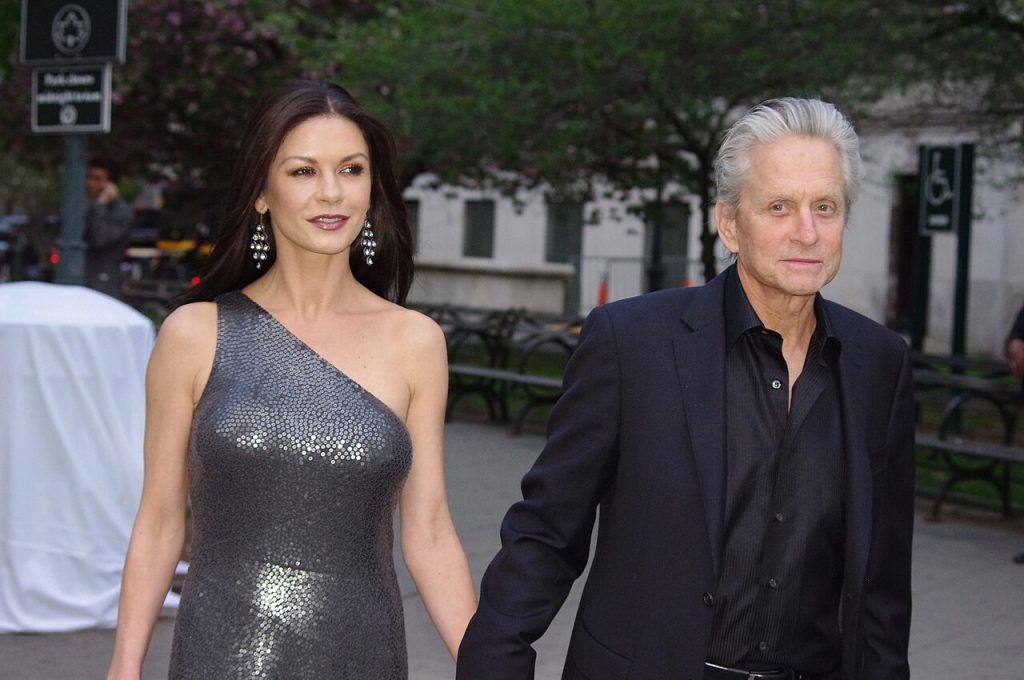
  • Born 25 Years Apart on the Same Day: Michael Douglas and Catherine Zeta-Jones at 82 and 57

    Photo: David Shankbone / Wikimedia Commons / CC BY 3.0

    September 25 has always carried an unusual coincidence for Michael Douglas and Catherine Zeta-Jones. They were born exactly 25 years apart on the same date. This year, Douglas turns 82 while Zeta-Jones turns 57.

    But the shared birthday is more than a piece of celebrity trivia. Nearly three decades after their paths first crossed, it offers a revealing way to look at two careers that began in different countries, different generations and very different corners of the entertainment world — before eventually becoming intertwined.

    A Meeting That Changed Two Lives

    By the time Michael Douglas met Catherine Zeta-Jones in 1998, he was already one of Hollywood’s most recognizable actors and producers. His career had stretched from producing One Flew Over the Cuckoo’s Nest to defining performances in films such as Wall Street, Fatal Attraction and Basic Instinct.

    Zeta-Jones was at a different turning point.

    Born and raised in Wales, she had already become well known to British audiences. But The Mask of Zorro, released in 1998, was helping transform her into an international movie star.

    That same year, the two attended the Deauville American Film Festival in France. Douglas had seen Zeta-Jones in The Mask of Zorro and wanted to meet her.

    What could have remained a brief encounter at a film festival instead became one of the defining turning points in both of their personal lives.

    Two Careers That Never Became One

    One of the more interesting aspects of their story is what did not happen.

    Marriage did not turn Michael Douglas and Catherine Zeta-Jones into a permanent Hollywood double act. Each continued to maintain a distinct professional identity.

    Douglas carried forward a career already associated with morally complicated characters and ambitious films, and later reached another generation of moviegoers through his role as Hank Pym in Marvel’s Ant-Man films.

    Zeta-Jones reached one of her own career peaks with Chicago, winning the Academy Award for Best Supporting Actress for her performance as Velma Kelly. In later years, she continued moving between film and television, including a new generation of viewers who know her as Morticia Addams in Wednesday.

    Their careers overlapped, but neither became merely an extension of the other.

    Marriage, Family and Years That Tested Them

    Douglas and Zeta-Jones married at New York’s Plaza Hotel on November 18, 2000. They have two children together, Dylan and Carys.

    The polished red-carpet photographs, however, tell only part of the story.

    Over the years the couple experienced serious challenges away from premieres and award ceremonies. Douglas underwent cancer treatment, and the couple later spent a period apart in 2013 before reconciling.

    That history makes their shared birthday look somewhat different today. It is not simply a coincidence attached to a famous marriage. It marks another year in a relationship that has gone through fame, parenthood, illness, separation, reconciliation and changing careers.

    Why Their 2026 Birthday Feels Different

    This year adds another layer to the story.

    On September 25, Douglas publicly celebrated Zeta-Jones while sharing material connected with his forthcoming memoir, One Helluva Ride. In recalling the beginning of their relationship, he returned to the moment when seeing her on screen first caught his attention.

    Zeta-Jones also marked their joint birthday publicly, celebrating the unusual experience of sharing the same special day with her husband.

    The timing is striking. They are approaching their 26th wedding anniversary in November, while both are also at stages of life when their careers can be viewed across decades rather than individual projects.

    The Coincidence Is Memorable. The Evolution Is More Interesting.

    It is easy to reduce Michael Douglas and Catherine Zeta-Jones to a few numbers: September 25, a 25-year age difference, 26 years of marriage approaching, two children, and two Academy Award-winning careers.

    But numbers are only the outline.

    The more interesting story is how two people whose careers began in different eras eventually built lives that changed repeatedly without completely losing their individual identities.

    At 82 and 57, their shared birthday provides a snapshot not simply of where they are now, but of how much has happened since that first meeting in France in 1998.

    That is what makes September 25 more than a birthday in their story. It is an annual marker of two very different lives that, unexpectedly, ended up sharing the same date — and much more.